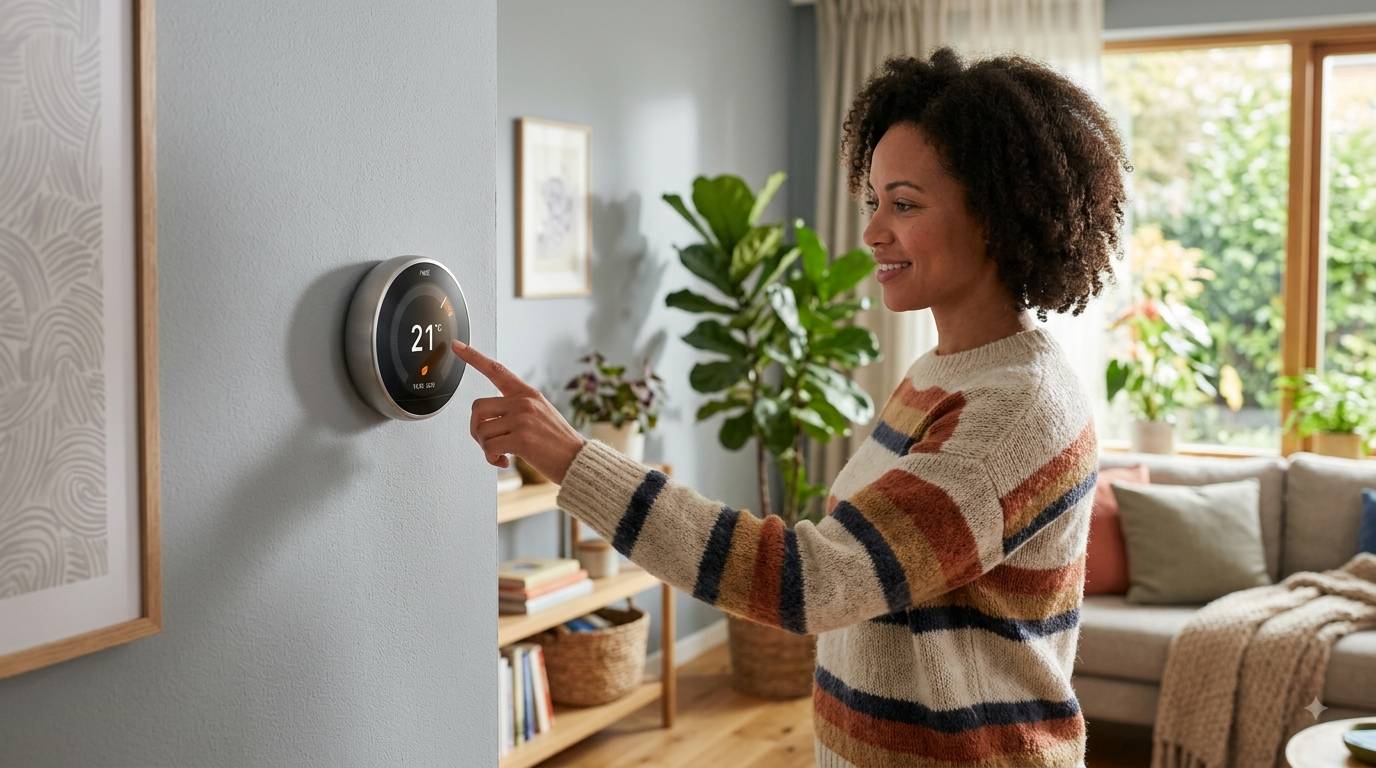
Smart thermostats do more than adjust indoor temperatures. Their scheduling, sensors, reports, and remote controls can reduce unnecessary HVAC operation without sacrificing comfort. Understanding which features deliver meaningful savings helps homeowners use their systems wisely, respond to changing routines, and avoid wasting energy when heating or cooling is not needed.
Heating and cooling account for a significant share of household energy use, especially during periods of extreme weather. Traditional thermostats maintain basic temperature settings, but they cannot always respond to changing schedules or occupancy. Modern smart thermostats for energy control offer tools that help HVAC systems operate only when needed. Features such as scheduling, remote access, learning functions, energy reports, and maintenance alerts give homeowners greater control over comfort and efficiency. However, savings depend on correct installation and thoughtful settings. Knowing how each feature works can help you reduce energy waste without making your home uncomfortable or overworking the HVAC system.
1. Flexible Temperature Scheduling
A smart thermostat can follow a temperature schedule based on when household members wake, leave, return, and sleep. This prevents the HVAC system from maintaining the same temperature around the clock.
Instead of turning the system off completely, use moderate adjustments during unoccupied periods. Extreme temperature changes may force the equipment to work harder when comfort settings resume.
Tips for Creating an Efficient Schedule
- Adjust temperatures during sleeping hours.
- Reduce heating or cooling when no one is home.
- Allow enough time for the system to reach the desired setting.
- Review the schedule when seasons or routines change.
Start with small adjustments and monitor comfort. A practical schedule is more likely to produce lasting savings than one that feels restrictive.
2. Learning Capabilities
Some smart thermostats can learn temperature preferences and daily routines. After observing repeated adjustments, the thermostat may create or refine a schedule automatically.
This feature is helpful when routines remain fairly consistent. However, homeowners should still review learned settings. Guests, vacations, seasonal changes, and changing work schedules can make old patterns inefficient.
Learning technology should support your choices rather than control them without review. Check the schedule regularly and remove settings that no longer match the household’s needs.
3. Remote Control Through a Mobile App
Remote access lets homeowners monitor and adjust thermostat settings from a connected device. It can reduce energy waste when schedules change and restore comfort before returning home. Avoid frequent adjustments, as they may create unnecessary HVAC cycles.
4. Occupancy Detection
Occupancy sensors detect when the home is empty and adjust heating or cooling to reduce unnecessary energy use. They are useful for households with changing schedules. Install sensors in frequently used areas, as poor placement may cause incorrect occupancy readings.
5. Geofencing Based on Location
Geofencing uses connected mobile devices to detect when household members leave or approach home. It helps smart thermostats for energy control reduce unnecessary HVAC use and restore comfortable temperatures before someone returns. Include every regular occupant in the setup and review location and privacy settings before activation.
6. Room Sensors for Balanced Comfort
Room sensors measure temperatures in different parts of the home and can prioritize occupied spaces. This helps improve comfort without frequent thermostat adjustments. However, sensors cannot fix duct leaks, restricted airflow, or poor insulation. Persistent temperature differences may require a professional HVAC inspection.
7. Energy-Use Reports
Smart thermostats track HVAC runtime, temperature settings, and usage patterns. Their energy reports can reveal excessive operation and inefficient adjustments.
Information Worth Reviewing
- Daily and weekly HVAC runtime
- Changes from earlier energy periods
- Effects of outdoor temperatures
- Frequent thermostat adjustments
- Suggested efficiency improvements
These insights help homeowners improve settings and reduce avoidable HVAC energy use.
8. Energy-Saving Modes and Recommendations
Smart thermostats may suggest efficient settings or provide an energy-saving mode. These features can reduce unnecessary system use while maintaining a reasonable indoor temperature.
Recommendations should be treated as a starting point. Comfort needs vary based on age, health, humidity, home design, and local weather. A setting that works well in one home may not suit another.
Avoid making several major changes at once. Adjust one setting, observe the results, and then refine it. This approach makes it easier to identify which changes actually reduce runtime without compromising comfort.
9. Maintenance and Performance Alerts
Smart thermostats can send alerts for filter changes, unusual runtime, and temperature problems. These warnings may signal restricted airflow, incorrect settings, or equipment trouble. However, alerts cannot diagnose every issue or replace professional HVAC maintenance.
How to Get Better Results From a Smart Thermostat
Correct installation, placement, and settings are essential for saving energy. Confirm that the thermostat is compatible with your HVAC system and keep it away from sunlight, vents, doors, and heat sources.
- Create a practical weekly schedule.
- Enable occupancy features.
- Review monthly energy reports.
- Avoid frequent manual adjustments.
- Update settings when routines change.
- Request HVAC service if runtime increases unexpectedly.
Professional installation can help the thermostat and HVAC system work together correctly.
FAQs
1. Do Smart Thermostats Automatically Reduce Energy Bills?
Not always. Savings depend on the household’s previous settings, HVAC condition, climate, schedule, and how the smart features are used. The thermostat provides better control, but efficient habits remain important.
2. Can a Smart Thermostat Work With Every HVAC System?
No. Compatibility varies by thermostat, equipment type, wiring, and control setup. System requirements should be checked before purchasing or installing a device.
3. Should the HVAC System Be Turned Off When No One Is Home?
Complete shutdown is not always the best choice, especially during extreme weather. Moderate setbacks can reduce energy use while protecting comfort and avoiding excessive recovery time.
4. Can a Smart Thermostat Fix Uneven Room Temperatures?
Room sensors may improve temperature awareness, but they cannot correct damaged ducts, poor airflow, weak insulation, or incorrectly sized HVAC equipment. Persistent differences should be professionally inspected.
5. How Often Should Smart Thermostat Settings Be Reviewed?
Review them when the season, work schedule, occupancy, or comfort needs change. Checking energy reports monthly can also reveal settings that need improvement.
Conclusion
A smart thermostat can make home comfort easier to manage, but its greatest value comes from using the right features consistently. Scheduling, learning functions, remote access, occupancy detection, geofencing, room sensors, energy reports, efficiency recommendations, and maintenance alerts can all reduce avoidable HVAC operation.
Begin with a realistic schedule and modest temperature adjustments. Review energy reports, keep sensor information accurate, and update settings whenever household routines change. Avoid excessive manual adjustments because they can increase system runtime and weaken comfort consistency. Smart controls also work best when the HVAC equipment is properly maintained and operating efficiently. Alerts and reports can reveal unusual patterns, but professional service may still be needed to identify mechanical, airflow, or installation problems. When correctly installed and thoughtfully configured, smart thermostats for energy control can support lower energy use, steadier comfort, and more informed HVAC decisions throughout the year.