Creating your dream home is not simply about choosing attractive furniture or following the latest interior design trends. It is about creating a space that feels comfortable, practical, personal, and welcoming. Your home should support the way you live, reflect your taste, and give you a place where you genuinely enjoy spending time.
Whether you are decorating a new property, renovating an existing house, or making small improvements room by room, thoughtful planning can make a significant difference. You do not need to change everything at once. With the right approach, even simple updates can help transform your home into a space you love.
Start by Understanding How You Live
Before choosing colours, furniture, or decorative features, think about how you actually use your home. A beautiful room will not work well if it does not suit your everyday routine.
Consider who uses each room, how much storage you need, where you spend most of your time, and what currently feels inconvenient. A family home may need durable furniture and flexible spaces, while someone working from home may need a dedicated office area.
Understanding your lifestyle gives you a practical foundation for your home design. It also helps prevent unnecessary purchases that look good but do not serve a useful purpose.
Choose a Home Style That Feels Personal
Your dream home does not have to follow one strict interior design style. You can combine elements that genuinely appeal to you while maintaining a sense of balance.
You might prefer clean modern furniture, natural materials, traditional details, or a relaxed cottage-inspired look. Look for common elements such as similar colours, textures, or materials to connect different rooms.
The goal is not to create a showroom. Your home should feel lived-in and reflect your personality.
Create a Practical and Welcoming Living Room
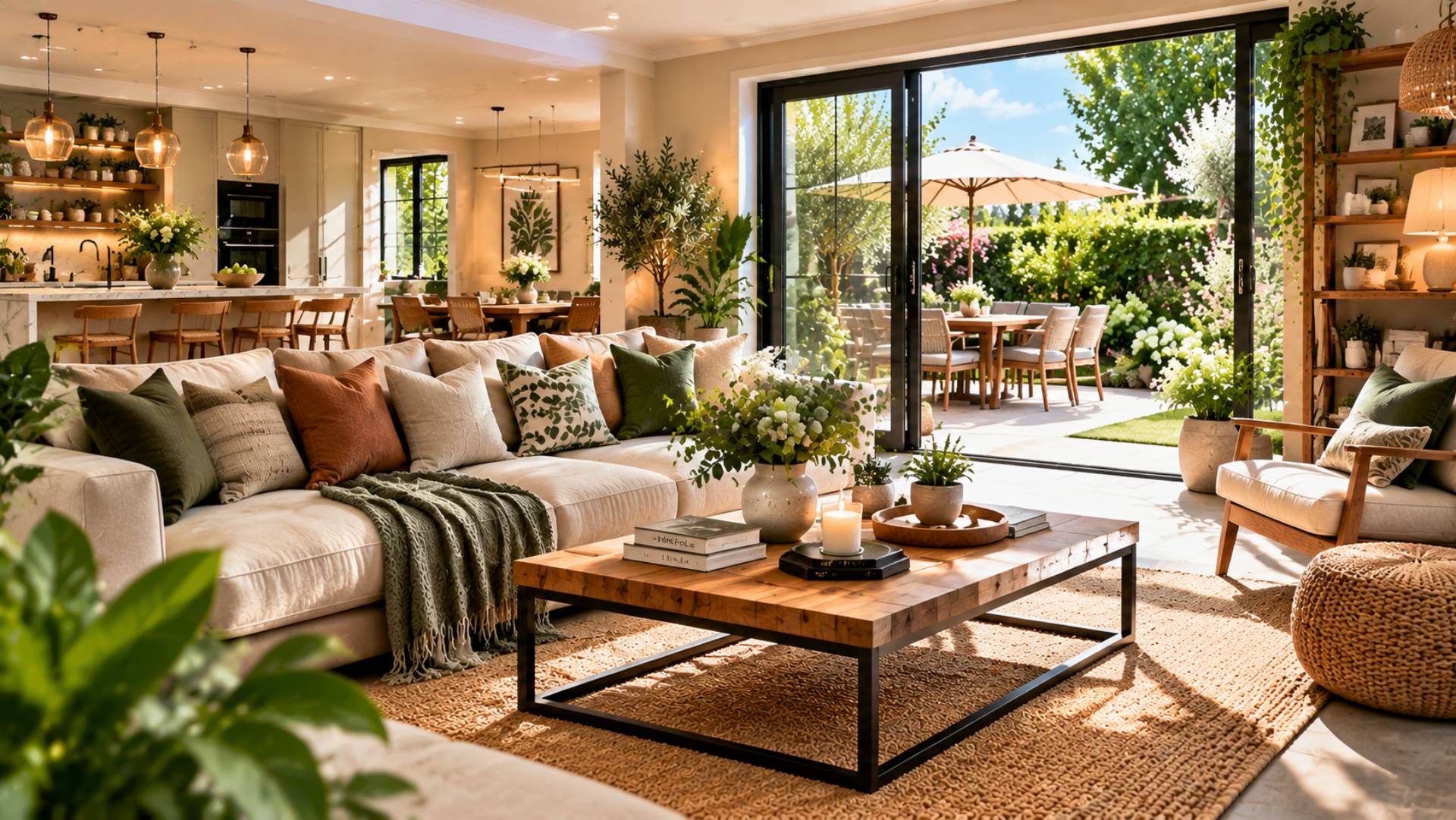
The living room is often one of the most frequently used spaces in a home. It needs to be comfortable enough for everyday relaxation while also working well when guests visit.
Start with the seating arrangement. Position sofas and chairs so conversation feels natural and movement through the room remains easy. A coffee table, side tables, floor lamps, and carefully chosen accessories can complete the space.
Avoid filling every available area with furniture. Leaving some open space can make a room feel calmer and more comfortable.
Design a Kitchen That Works for You
A dream kitchen should combine appearance with everyday practicality. Think about how you cook, store food, prepare meals, and use appliances before deciding on the layout.
Good storage can make a major difference. Use cabinets, drawers, shelves, and organisers to keep frequently used items accessible without creating visual clutter.
Lighting also matters. Combine general lighting with brighter task lighting over work surfaces. This creates a kitchen that is both attractive and functional.
Make Your Bedroom a Peaceful Retreat
Your bedroom should feel comfortable and restful rather than crowded with unnecessary furniture and decorations.
Choose a bed and mattress that suit your needs, then build the room around comfort. Soft bedding, warm lighting, curtains, rugs, and calming colours can create a more relaxing atmosphere.
Storage should also be carefully considered. A tidy bedroom often feels more peaceful, so use wardrobes, drawers, bedside storage, and other practical solutions to keep everyday items organised.
Make the Most of Natural Light
Natural light can make a home feel brighter, larger, and more welcoming. Whenever possible, arrange furniture so windows remain unobstructed and daylight can spread through the room.
Use curtains or blinds that provide privacy without unnecessarily blocking light. Mirrors can also help reflect daylight around a room when positioned thoughtfully.
For darker areas, combine ceiling lights, wall lighting, lamps, and task lighting rather than relying on a single bright fixture.
Choose Colours With Care
Colour has a major influence on how a room feels. Neutral shades can create a calm foundation, while stronger colours can add personality and visual interest.
You do not need to use the same colour throughout your home. Instead, choose a consistent palette that allows rooms to feel connected while giving each space its own character.
Test paint samples in different lighting conditions before committing to a colour. A shade can look very different in morning sunlight, evening light, and artificial lighting.
Add Natural Materials and Textures
A home can feel more inviting when it includes a variety of textures and natural materials. Wood, stone, linen, cotton, wool, rattan, and plants can add warmth and depth to an interior.
Layering textures is particularly useful in bedrooms and living rooms. For example, a soft rug, textured cushions, wooden furniture, and woven accessories can make a simple room feel more comfortable without requiring excessive decoration.
Create Smart Storage Solutions
Good storage is one of the most valuable features in a well-designed home. Clutter can quickly make even a beautifully decorated room feel smaller and less comfortable.
Look for storage opportunities that suit the room. Built-in wardrobes, under-bed storage, hallway cupboards, shelving, baskets, and multi-purpose furniture can help keep belongings organised.
Think about accessibility as well. Items used every day should be easy to reach, while seasonal or rarely used belongings can be stored in less accessible areas.
Design Outdoor Spaces as an Extension of Your Home
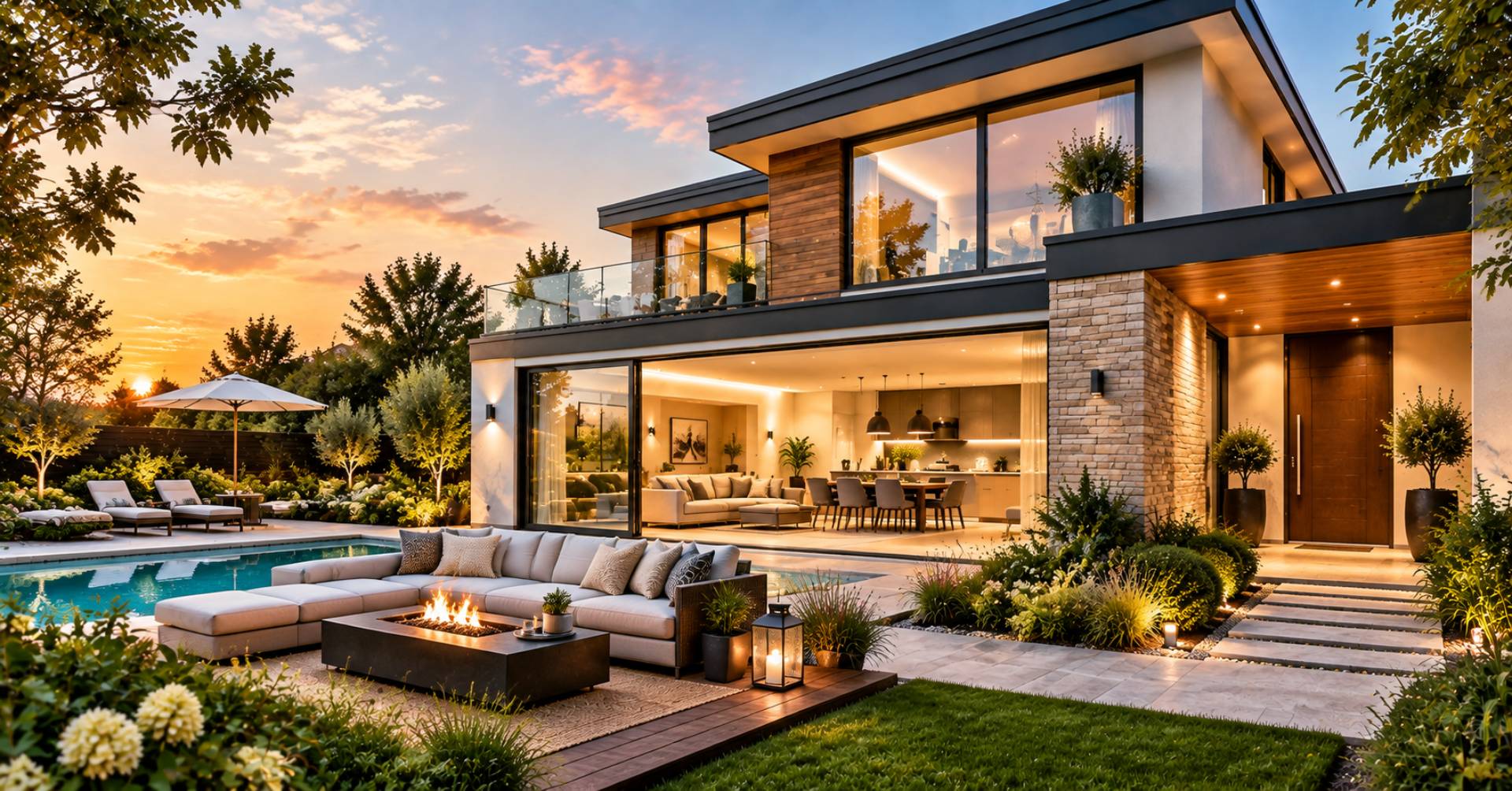
If your property has a garden, patio, balcony, or terrace, treat it as part of your overall home design.
A comfortable seating area, outdoor lighting, plants, and suitable flooring can transform an unused outdoor space into an enjoyable retreat. If you like entertaining, consider adding an outdoor dining area.
Choose outdoor furniture and materials according to your local weather conditions and maintenance preferences. Practical choices will help the space remain enjoyable for longer.
Make Your Home More Energy Efficient
A dream home should also be comfortable and efficient. Simple improvements can help reduce unnecessary energy use while making rooms more pleasant.
Check insulation, draughts, windows, heating controls, and lighting. Energy-efficient bulbs and appliances can also help reduce electricity consumption.
When making larger improvements, consider both the upfront cost and potential long-term benefits. Professional advice can be useful for significant renovation or energy-efficiency projects.
Add Personal Details
The most memorable homes usually contain details that tell a story. Family photographs, artwork, books, travel souvenirs, handmade pieces, and favourite objects can give your home a distinctive identity.
Do not feel pressured to follow every interior design trend. Trends change, but pieces that have genuine meaning to you can remain valuable parts of your home for years.
Use personal items selectively so they enhance the room without creating unnecessary clutter.
Plan Improvements Within Your Budget
A dream home does not have to be created in one project. Establish a realistic budget and decide which improvements matter most.
Prioritise structural or practical issues before purely decorative changes. For example, improving storage, repairing damaged surfaces, or upgrading poor lighting may provide more lasting value than buying new accessories.
Break larger projects into manageable stages. This allows you to assess what works before investing further.
Frequently Asked Questions
How do I start designing my dream home?
Start by identifying how you use each room, what you like about your current home, and what you want to improve. Create a simple plan covering functionality, style, storage, lighting, and budget before buying anything.
What makes a house feel like a home?
Comfort, personal belongings, practical layouts, suitable lighting, natural textures, and meaningful decorative details can make a house feel more personal and welcoming.
How can I make my home look expensive without spending too much?
Focus on organisation, good lighting, coordinated colours, quality-looking textiles, natural materials, and a small number of carefully selected accessories. A tidy, balanced space often feels more refined.
Should every room have the same interior style?
Not necessarily. Rooms can have their own character while sharing colours, materials, or design elements that create a consistent overall feel.
How can I make a small home feel larger?
Use appropriately sized furniture, maximise natural light, reduce clutter, use smart storage, and keep the visual design relatively simple. Mirrors can also help reflect light and create a greater sense of openness.
Conclusion
Creating your dream home is a gradual process rather than a single decorating project. The most successful spaces combine practical planning with personal style, giving you rooms that look attractive while supporting the way you actually live.
Start with the fundamentals: understand your needs, plan your budget, improve storage, make good use of light, and choose furniture and colours that feel right for you. Then add personal details that make the space unmistakably yours.
Whether you are making a few simple changes or planning a complete home transformation, thoughtful decisions can help you create a comfortable, functional, and welcoming space that you will enjoy for years.