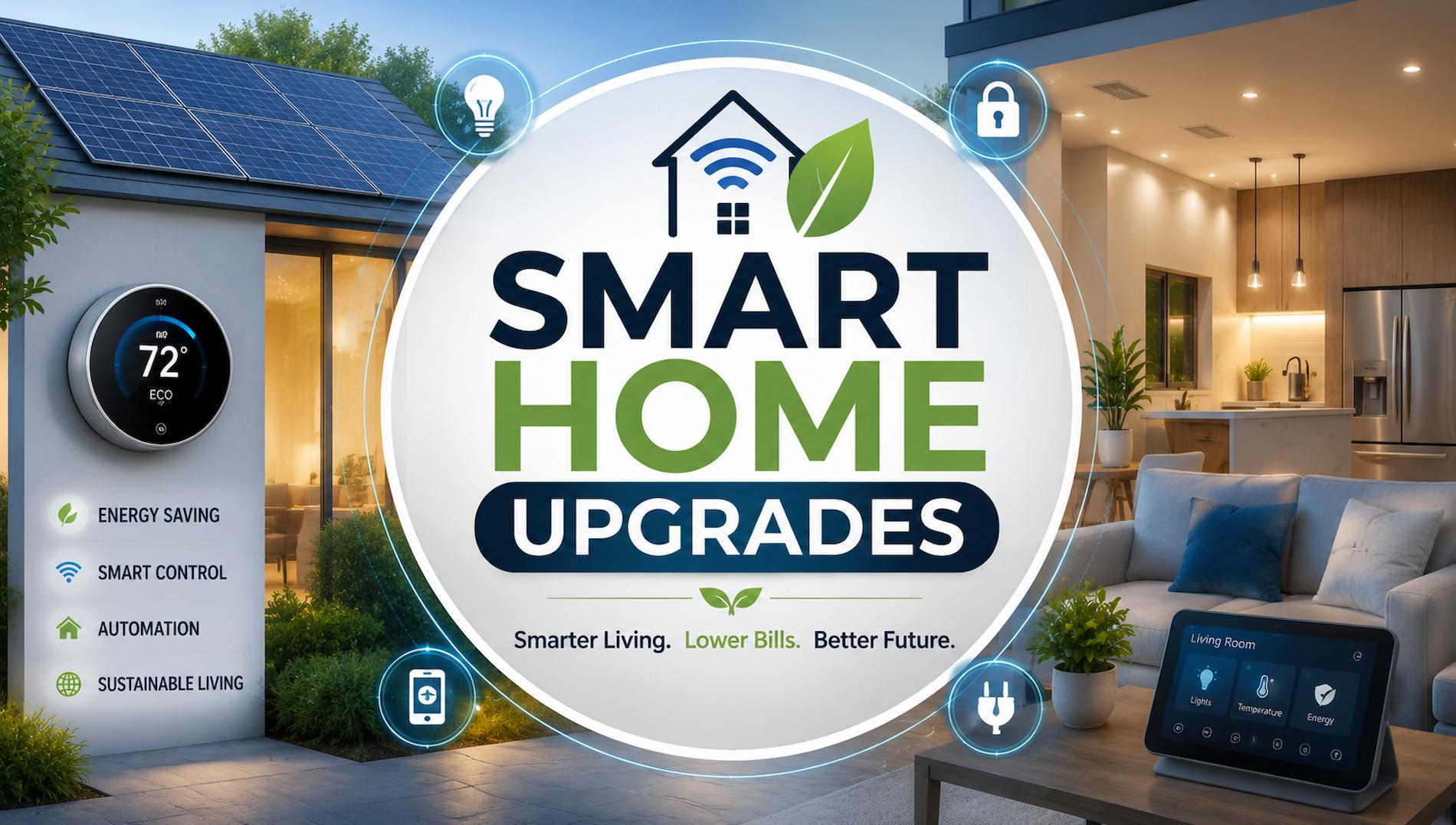
Smart home technology has evolved far beyond voice assistants and remote-controlled lights. Today, homeowners are using connected devices to cut energy waste, lower monthly bills, and create more efficient living spaces without sacrificing comfort.
Overview
With utility costs continuing to rise, energy-efficient smart home upgrades have become one of the smartest long-term investments a homeowner can make. From intelligent thermostats to automated lighting and water-saving systems, these technologies help households use less energy while improving everyday convenience.
The best part is that you do not need a fully automated luxury home to benefit. Even a few well-chosen upgrades can make a noticeable difference in energy consumption and monthly expenses.
This guide explores the most effective smart home upgrades for saving energy, how they work, and how to choose the right options for your lifestyle and budget.
Why Smart Home Technology Helps Reduce Energy Costs
Traditional homes waste energy in ways many people never notice. Lights stay on in empty rooms. Heating and cooling systems run longer than necessary. Appliances consume electricity even when not actively used.
Smart home devices solve these problems through automation, monitoring, and intelligent adjustments.
Key benefits include:
- Lower electricity and water bills
- Reduced heating and cooling waste
- Better control over household energy use
- Increased home comfort
- Improved sustainability and reduced carbon footprint
- Long-term savings through efficiency
Many smart systems also provide real-time energy data, helping homeowners understand exactly where energy is being wasted.
Smart Thermostats: The Most Effective Energy Upgrade
One of the fastest ways to reduce household energy costs is to install a smart thermostat.
Heating and cooling typically account for the largest portion of a home’s energy bill. Smart thermostats automatically adjust indoor temperatures based on your schedule, habits, and preferences.
How Smart Thermostats Save Energy
Unlike traditional thermostats, smart models learn your routine and optimize temperature settings throughout the day.
For example:
- Lower heating while you are away
- Reduce air conditioning during sleeping hours
- Adjust temperatures based on weather conditions
- Detect when nobody is home
Many systems can also be controlled remotely through a smartphone app.
Features Worth Looking For
When choosing a smart thermostat, prioritize features such as:
- Learning capabilities
- Geofencing technology
- Energy usage reports
- Compatibility with HVAC systems
- Voice assistant integration
- Zoned temperature control
Homes in regions with extreme temperatures often see the biggest savings from thermostat upgrades.
Smart Lighting Systems Reduce Unnecessary Electricity Use
Lighting may seem like a small expense, but inefficient lighting habits add up quickly over time.
Smart lighting systems help homeowners reduce wasted electricity by automating when and how lights operate.
Benefits of Smart Lighting
Smart lighting systems can:
- Turn lights off automatically in empty rooms
- Dim lighting based on natural daylight
- Schedule lighting routines
- Reduce nighttime overuse
- Improve security while saving energy
Pairing smart controls with LED bulbs creates even greater savings because LEDs already consume significantly less energy than traditional incandescent bulbs.
Best Places to Install Smart Lighting
Start with areas where lights are often forgotten:
- Kitchens
- Bathrooms
- Hallways
- Outdoor spaces
- Garages
- Children’s rooms
Motion sensors and occupancy detection work especially well in these locations.
Energy Monitoring Systems Help Identify Waste
Many homeowners are surprised when they discover how much electricity certain appliances consume.
Smart energy monitoring systems provide detailed insights into household energy usage in real time.
What Energy Monitors Can Track
These systems help identify:
- High-energy appliances
- Peak electricity usage times
- Phantom energy drain
- Monthly consumption trends
- Opportunities for cost reduction
For example, an older refrigerator or a constantly running space heater may consume far more power than expected.
Once homeowners understand their usage patterns, they can make smarter decisions about upgrades and habits.
Why Energy Awareness Matters
One of the biggest advantages of energy monitoring is behavioral change. People naturally reduce waste when they can clearly see the financial impact of their actions.
Even small adjustments can produce meaningful savings over time.
Smart Plugs Offer Affordable Energy Savings
Not every smart home upgrade requires a large investment. Smart plugs are one of the simplest and most affordable ways to improve energy efficiency.
These devices plug into standard outlets and allow homeowners to control connected electronics remotely.
Common Uses for Smart Plugs
Smart plugs work well for:
- Coffee makers
- Space heaters
- Gaming consoles
- TVs
- Lamps
- Fans
- Holiday decorations
They can automatically shut off devices when not in use, reducing standby power consumption.
Why Standby Power Matters
Many electronics continue drawing electricity even when turned off. This “phantom load” quietly increases utility bills over time.
Smart plugs eliminate unnecessary energy drain without requiring major home renovations.
Intelligent Water Management Systems Save Water and Money
Energy efficiency is not only about electricity. Water usage also affects household costs and environmental impact.
Smart water management systems help homeowners monitor and reduce water waste.
Popular Smart Water Upgrades
Effective options include:
- Smart irrigation controllers
- Leak detection sensors
- Automated sprinkler systems
- Smart water heaters
- Touchless faucets
Smart Irrigation Systems
Outdoor watering often wastes enormous amounts of water, especially during rainy weather or cooler seasons.
Smart irrigation controllers adjust watering schedules automatically based on:
- Weather forecasts
- Soil conditions
- Seasonal changes
- Plant needs
This prevents overwatering while maintaining healthy landscaping.
Leak Detection Technology
Small leaks can become expensive problems if unnoticed. Smart leak detectors send instant alerts when abnormal moisture or water flow is detected.
Catching leaks early helps homeowners avoid:
- Water damage
- Mold growth
- High utility bills
- Costly repairs
Energy-Efficient Smart Appliances Make a Big Difference
Modern smart appliances are designed to use less electricity and water while improving performance.
While these upgrades require a larger upfront investment, they often produce significant long-term savings.
Smart Appliances Worth Considering
High-impact options include:
- Smart refrigerators
- Energy-efficient washing machines
- Smart dishwashers
- Induction cooktops
- Smart dryers
- Connected water heaters
Features That Improve Efficiency
Many smart appliances include:
- Eco modes
- Usage optimization
- Load-sensing technology
- Delayed operation scheduling
- Maintenance alerts
For example, smart washing machines automatically adjust water usage based on load size.
Running appliances during off-peak energy hours can also reduce electricity costs in some regions.
Solar-Compatible Smart Devices Increase Efficiency
More homeowners are combining smart home technology with renewable energy systems.
Solar-compatible smart devices help maximize the efficiency of solar panel installations by managing when and how energy is used.
How Smart Solar Integration Works
These systems can:
- Prioritize solar-powered energy usage
- Store excess energy efficiently
- Schedule appliances during peak solar production
- Monitor solar performance in real time
This creates a more energy-independent household while lowering reliance on the electrical grid.
Is Solar Integration Worth It?
For homeowners already considering solar panels, smart integration often improves long-term return on investment by increasing energy optimization.
Even without a full solar installation, solar-ready devices can help future-proof your home energy efficiency.
How to Choose the Right Smart Home Upgrades
Not every household needs the same technology. The best smart home upgrades depend on budget, home size, climate, and lifestyle.
Start With High-Impact Upgrades
If you are beginning with a limited budget, prioritize:
- Smart thermostat
- LED smart lighting
- Smart plugs
- Energy monitoring systems
These upgrades typically offer the fastest return on investment.
Consider Your Home Size
Larger homes often benefit more from:
- Zoned HVAC systems
- Whole-home energy monitoring
- Automated lighting systems
Smaller homes may achieve meaningful savings with fewer devices.
Think About Daily Habits
Choose technology that matches your routine.
For example:
- Frequent travelers benefit from remote monitoring
- Families may prefer automation and scheduling
- Eco-conscious homeowners may prioritize solar integration
- Busy households often appreciate leak detection systems
The most effective smart home setup is one that fits naturally into daily life.
Common Mistakes to Avoid
Some homeowners overspend on features they rarely use.
Avoid these common mistakes:
- Buying incompatible devices
- Ignoring installation requirements
- Prioritizing gadgets over efficiency
- Choosing overly complex systems
- Forgetting cybersecurity protection
Before purchasing, always confirm compatibility with existing home systems and Wi-Fi networks.
Simple, reliable upgrades often deliver better results than expensive systems packed with unnecessary features.
The Long-Term Value of Energy-Efficient Smart Homes
Smart home upgrades are not just short-term conveniences. They contribute to long-term financial savings, increased property value, and more sustainable living.
As energy prices continue rising, efficient homes become increasingly attractive to buyers and homeowners alike.
Beyond financial benefits, many people appreciate the improved comfort, automation, and peace of mind these systems provide.
A well-designed smart home can:
- Reduce monthly expenses
- Improve daily convenience
- Lower environmental impact
- Increase home efficiency
- Support sustainable living goals
Even gradual upgrades can create meaningful results over time.
Conclusion
Smart home technology has become one of the most practical ways to reduce household energy costs while improving comfort and efficiency. From smart thermostats and automated lighting to energy monitoring systems and intelligent water management, today’s connected devices help homeowners make smarter decisions every day.
The key is choosing upgrades that align with your home’s needs, your lifestyle, and your budget. Starting small with affordable energy-saving devices can still deliver impressive long-term savings. As sustainability and energy efficiency continue gaining importance, smart home upgrades remain a valuable investment for homeowners who want lower utility bills, greater convenience, and a more environmentally responsible lifestyle.
Frequently Asked Questions (FAQs)
1. What smart home device saves the most energy?
Smart thermostats usually provide the biggest energy savings because heating and cooling systems consume the most household energy.
2. Are smart home upgrades expensive to install?
Many upgrades are affordable. Smart plugs, LED lighting, and basic thermostats offer low-cost entry points with noticeable savings.
3. Do smart devices reduce electricity bills immediately?
Most homeowners notice lower utility bills within the first few months after installing energy-efficient smart home devices.
4. Can smart home systems work without solar panels?
Yes. Most smart home technologies improve efficiency and reduce energy waste even without solar energy systems.
5. Are smart home devices worth it for small homes?
Yes. Small homes can still benefit from lower energy use, improved automation, and reduced utility costs through targeted smart upgrades.