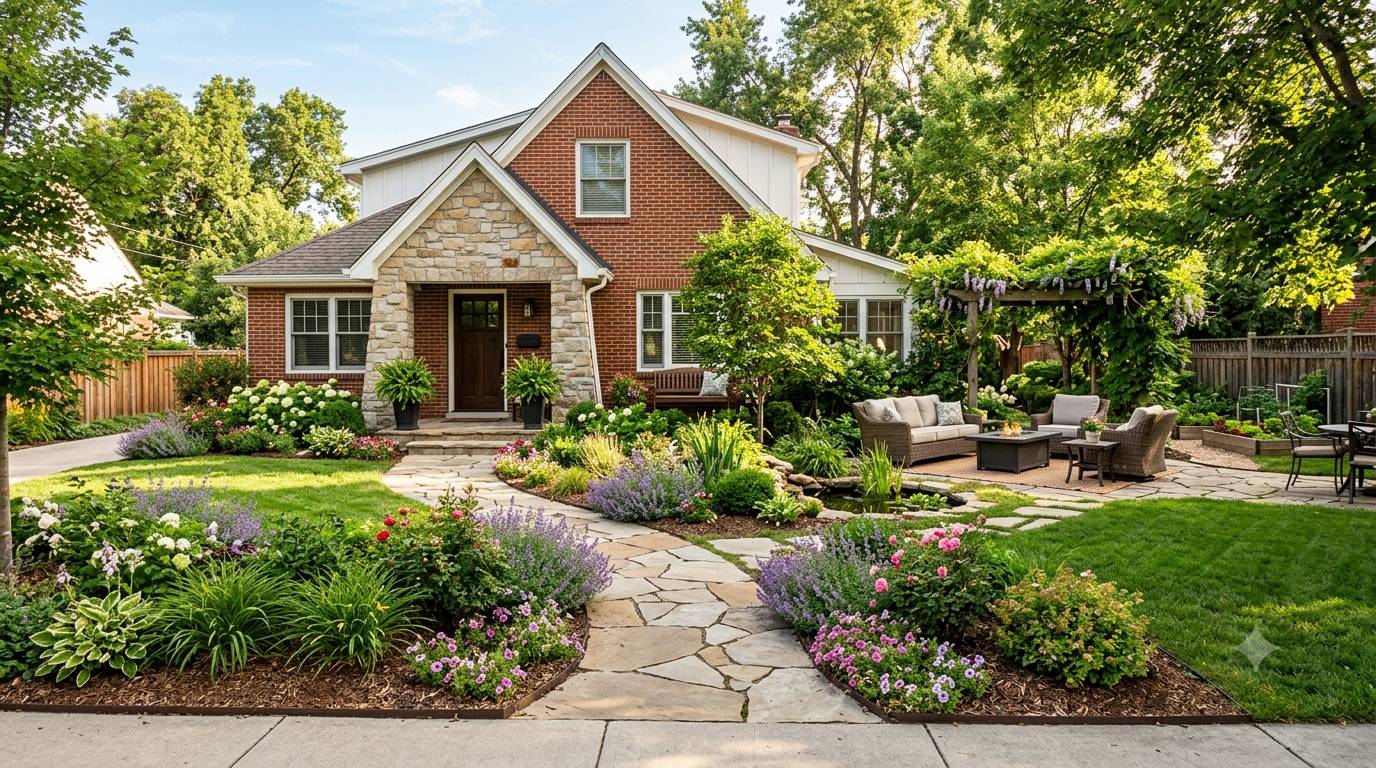
Outdoor spaces have become much more than areas surrounding a home. A thoughtfully designed front yard creates a welcoming first impression, while a functional backyard extends your living space and provides a place to relax, entertain, and connect with nature.
The best landscaping isn’t always the most expensive. It’s the design that fits your lifestyle, complements your home, and remains practical throughout the seasons. Whether you’re starting with a blank canvas or updating an existing yard, smart landscaping choices can improve curb appeal, increase property value, and make everyday life more enjoyable.
This guide explores practical front yard and backyard landscaping ideas that combine beauty with functionality, helping you create outdoor spaces you’ll enjoy for years to come.
Why Good Landscaping Matters
Landscaping goes beyond planting flowers. A well-planned yard creates harmony between your home and its surroundings while serving practical purposes.
Thoughtful landscaping can:
- Boost curb appeal and home value
- Improve outdoor comfort
- Reduce maintenance requirements
- Support local wildlife and pollinators
- Improve drainage and soil health
- Create spaces for entertaining and relaxation
- Increase privacy
- Make outdoor living more enjoyable throughout the year
The key is balancing appearance with usability.
Start With a Master Plan
Before purchasing plants or building pathways, step back and evaluate your property.
Consider:
- Sun and shade patterns
- Existing trees and structures
- Soil conditions
- Drainage
- Local climate
- Available space
- Family lifestyle
- Long-term maintenance
Think about how each area will actually be used instead of simply filling empty spaces.
Ask yourself:
- Do you entertain often?
- Do children need room to play?
- Are pets part of the family?
- Do you enjoy gardening?
- Would you rather have a low-maintenance landscape?
The answers should guide every landscaping decision.
Front Yard Landscaping Ideas That Create Lasting Curb Appeal
Your front yard introduces visitors to your home before they even reach the front door.
Create a Clear Entrance
A welcoming entrance naturally guides guests toward the front door.
Consider adding:
- Stone or brick walkways
- Decorative borders
- Low garden beds
- Accent lighting
- Attractive house numbers
- Seasonal planters
Simple, uncluttered pathways often feel more inviting than overly elaborate designs.
Layer Plants for Depth
Professional-looking landscapes often use layered planting.
Arrange plants by height:
- Taller shrubs near the house
- Medium-sized plants in the middle
- Ground covers and flowers along the edges
This creates visual depth while keeping windows and architectural features visible.
Use Evergreens as the Foundation
Evergreens provide structure throughout the year.
They help:
- Keep the landscape attractive during winter
- Define property lines
- Frame the home
- Reduce empty-looking spaces
Mix evergreen shrubs with flowering plants for year-round interest.
Add Seasonal Color
Flowers bring personality to the landscape without overwhelming it.
Choose plants with staggered bloom times so something is always flowering.
Combine:
- Spring bulbs
- Summer perennials
- Autumn grasses
- Winter berries
This keeps the front yard attractive in every season.
Upgrade Lawn Edges
Clean lawn edges instantly make a yard appear well maintained.
Use:
- Stone edging
- Brick borders
- Steel landscape edging
- Decorative gravel
Defined borders also make mowing and maintenance easier.
Backyard Landscaping Ideas for Everyday Living
Unlike the front yard, the backyard is designed around how you live.
Think of it as an outdoor extension of your home.
Divide the Backyard Into Functional Zones
Instead of treating the backyard as one large space, divide it into activity areas.
Examples include:
- Outdoor dining
- Fire pit seating
- Children’s play space
- Vegetable garden
- Relaxation area
- Water feature
- Lawn for games
Each zone serves a purpose while creating a more organized layout.
Build a Comfortable Patio
A patio often becomes the heart of backyard living.
Popular materials include:
- Natural stone
- Concrete pavers
- Brick
- Stamped concrete
Add comfortable furniture, outdoor rugs, shade structures, and lighting to make the space feel like an outdoor living room.
Create Privacy Naturally
Privacy makes outdoor spaces feel peaceful.
Options include:
- Hedges
- Bamboo screens
- Decorative fencing
- Trellises with climbing plants
- Layered shrubs
- Ornamental grasses
Natural privacy solutions often soften the landscape while reducing noise.
Incorporate Water Features
Moving water creates a calming atmosphere.
Even small features can make a big difference.
Consider:
- Bubbling fountains
- Small ponds
- Water bowls
- Cascading waterfalls
- Modern water walls
Choose a feature that matches the scale of your yard.
Add Outdoor Lighting
Lighting extends the usability of your yard after sunset.
Focus on:
- Walkways
- Steps
- Trees
- Seating areas
- Garden beds
- Architectural features
Warm lighting creates a welcoming atmosphere while improving safety.
Make Space for Outdoor Dining
Eating outdoors becomes much more enjoyable with a dedicated dining area.
Include:
- Durable dining furniture
- Shade umbrellas
- Pergolas
- Outdoor kitchens
- Built-in grills
- Storage cabinets
Even a small patio can comfortably accommodate family meals.
Introduce Different Textures
A visually interesting landscape uses more than just plants.
Combine materials such as:
- Stone
- Wood
- Gravel
- Decorative mulch
- Metal accents
- Concrete
- Natural grass
Texture keeps the landscape dynamic without relying only on colorful flowers.
Choose Plants That Thrive Locally
Healthy landscapes begin with plants suited to the local environment.
Native plants typically offer:
- Better drought tolerance
- Less maintenance
- Improved disease resistance
- Greater support for local wildlife
Research your growing zone before selecting trees, shrubs, and flowers.
Low-Maintenance Landscaping Ideas
Beautiful landscaping doesn’t have to require constant work.
Reduce maintenance by:
- Installing drip irrigation
- Applying mulch around plants
- Choosing perennial flowers
- Planting drought-tolerant species
- Limiting high-maintenance lawns
- Using ground covers to reduce weeds
- Installing automatic irrigation timers
Working smarter often produces better long-term results.
Include Trees for Long-Term Value
Trees are among the most valuable landscaping investments.
Benefits include:
- Shade
- Lower cooling costs
- Wildlife habitat
- Privacy
- Improved air quality
- Increased property value
Plant trees with their mature size in mind to avoid future problems.
Make Small Yards Feel Larger
Limited space doesn’t limit creativity.
Try these design strategies:
- Curved walkways
- Vertical gardens
- Multi-level planters
- Mirrors on fences
- Light-colored paving
- Compact furniture
- Repeating plant varieties
Keeping the design simple often makes a space feel more open.
Sustainable Landscaping Ideas
Environmentally friendly landscaping benefits both homeowners and nature.
Consider:
- Rain gardens
- Rain barrels
- Compost areas
- Native wildflower beds
- Pollinator gardens
- Permeable pavers
- Organic mulch
- Efficient irrigation systems
Sustainable landscapes often require fewer resources over time.
Add Personal Touches
The most memorable landscapes reflect the people who use them.
Personalize your yard with:
- Decorative planters
- Garden sculptures
- Hammocks
- Outdoor artwork
- Bird feeders
- Raised vegetable beds
- Herb gardens
- Cozy reading corners
These details turn a beautiful yard into a truly welcoming outdoor retreat.
Common Landscaping Mistakes to Avoid
Even well-intentioned projects can create problems later.
Avoid these common mistakes:
- Planting trees too close to the house
- Choosing plants without considering mature size
- Ignoring drainage issues
- Overcrowding flower beds
- Using too many different materials
- Forgetting year-round interest
- Installing insufficient lighting
- Neglecting regular maintenance
A thoughtful plan prevents costly changes in the future.
Frequently Asked Questions
What is the easiest way to improve front yard landscaping?
Start with clean edging, fresh mulch, healthy shrubs, seasonal flowers, and a well-defined walkway. Small updates often create the biggest visual improvement.
How can I make my backyard more functional?
Create separate areas for relaxing, dining, entertaining, and gardening. Adding comfortable seating, lighting, and shade makes the space more enjoyable throughout the year.
What are the best low-maintenance landscaping plants?
Native plants, ornamental grasses, evergreen shrubs, drought-tolerant perennials, and ground covers generally require less watering and upkeep while remaining attractive year-round.
Does landscaping increase home value?
Yes. Well-designed landscaping can improve curb appeal and increase perceived property value, making homes more attractive to potential buyers.
How do I choose the right plants?
Consider your local climate, sunlight, soil type, available space, and maintenance preferences. Selecting plants suited to your environment leads to healthier, longer-lasting landscapes.
Conclusion
Great landscaping is about more than creating an attractive yard. It’s about designing outdoor spaces that work for the way you live every day. A welcoming front yard enhances your home’s first impression, while a thoughtfully planned backyard becomes a place to relax, gather with family, entertain friends, and enjoy nature.
You don’t need an enormous budget or a complete renovation to make a meaningful difference. By combining practical layouts, climate-appropriate plants, durable materials, and personal touches, you can build outdoor spaces that remain beautiful, functional, and easy to maintain through every season. Start with a clear plan, focus on long-term value, and create a landscape that feels like a natural extension of your home.