Energy bills are rising. Summers are getting hotter, and winters feel less predictable. Many homeowners are now looking for smarter ways to stay comfortable without overspending. That is where heat pumps are gaining attention.
A heat pump is not just another HVAC system. It is an efficient solution that both heats and cools your home using less energy. But before you invest, it is important to understand how installation works, what to expect, and how to make the right choices for your home.
Understanding the Installation Process
Heat pump installation in Staten Island is not just about placing a unit outside your home. It involves careful planning and proper setup.
The process usually starts with a home evaluation. Technicians check your space, insulation, and current system. Then they determine the right size and placement.
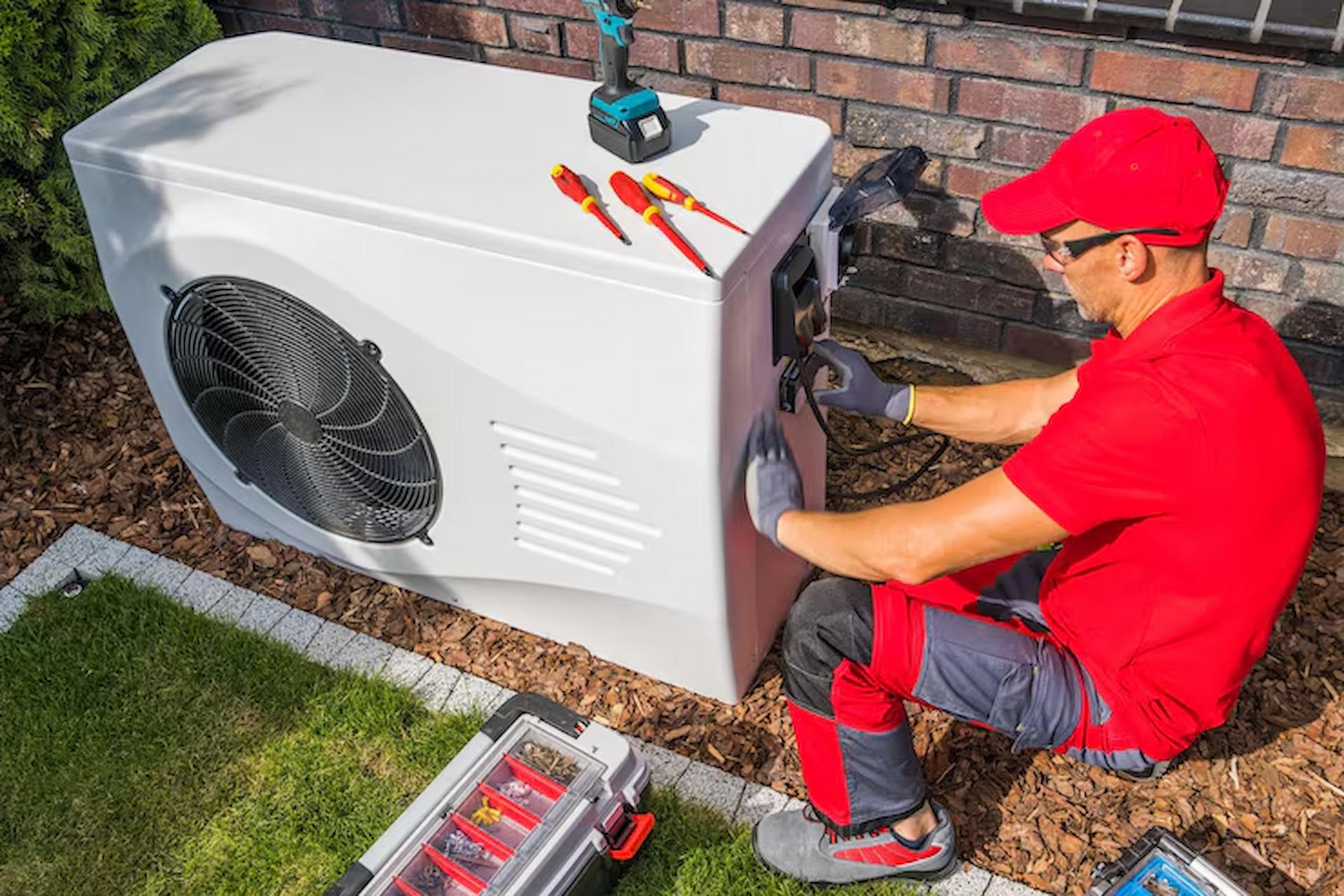
Next comes the actual installation. This includes setting up the indoor and outdoor units, connecting refrigerant lines, and testing the system.
What Is a Heat Pump and How Does It Work?
A heat pump moves heat instead of generating it. In winter, it pulls heat from outside air and brings it indoors. In summer, it reverses the process, removing heat from your home.
This simple concept makes a big difference. Traditional systems burn fuel or consume large amounts of electricity to generate heat. A heat pump uses far less energy, which can lower monthly bills.
For example, many modern homes now use air-source heat pumps because they work well even in colder climates.
Why Homeowners Are Switching to Heat Pumps
More homeowners are choosing heat pumps for both comfort and savings. The shift is not just a trend—it is a practical upgrade.
First, they are energy-efficient. You can reduce energy use compared to traditional heating systems. Second, they offer year-round comfort. One system handles both heating and cooling.
There is also an environmental benefit. Heat pumps produce fewer emissions, making them a cleaner choice for modern homes.
Choosing the Right Heat Pump for Your Home
Not all heat pumps are the same. Choosing the right one depends on your home size, layout, and climate.
Air-source heat pumps are the most common. They are cost-effective and suitable for most homes. Ground-source systems, also known as geothermal, are more efficient but require higher upfront costs.
It is important to consider your insulation, existing ductwork, and energy needs. A professional assessment can help you avoid overspending or under-sizing your system.
Common Mistakes to Avoid
Many homeowners rush into installation without proper planning. This often leads to performance issues later.
One common mistake is choosing the wrong size. A unit that is too small will struggle. One that is too large may cycle on and off too often, reducing efficiency.
Another mistake is ignoring insulation. Even the best system cannot perform well if your home loses heat easily.
Lastly, poor installation can lead to long-term problems. Always choose qualified professionals with proven experience.
Cost Factors You Should Know
The cost of installing a heat pump can vary widely. It depends on the type of system, home size, and installation complexity.
Air-source systems are usually more affordable. Geothermal systems cost more upfront but offer long-term savings.
Other factors include ductwork upgrades, electrical work, and labor costs. While the initial investment may seem high, many homeowners recover the cost through lower energy bills over time.
Maintenance Tips for Long-Term Performance
A heat pump needs regular care to stay efficient. The good news is that maintenance is simple if done consistently.
Cleaning or replacing filters is one of the easiest steps. Dirty filters reduce airflow and efficiency. You should also keep the outdoor unit clear of debris.
Scheduling annual servicing helps detect small issues before they become costly repairs. With proper care, a heat pump can last many years.
Is a Heat Pump Right for Your Home?
A heat pump is a smart choice for many homeowners, but it is not a one-size-fits-all solution.
If you want lower energy bills, consistent comfort, and an eco-friendly system, it is worth considering. However, factors like climate, insulation, and budget play a key role.
Consulting an expert helps you understand whether a heat pump fits your specific needs. Making an informed decision ensures better performance and long-term value.
Conclusion
Heat pumps are changing the way homeowners think about heating and cooling. They offer efficiency, flexibility, and long-term savings in one system. However, the benefits depend on proper installation and smart planning. From choosing the right system to avoiding common mistakes, every step matters. A well-installed heat pump can make your home more comfortable, efficient, and future-ready.