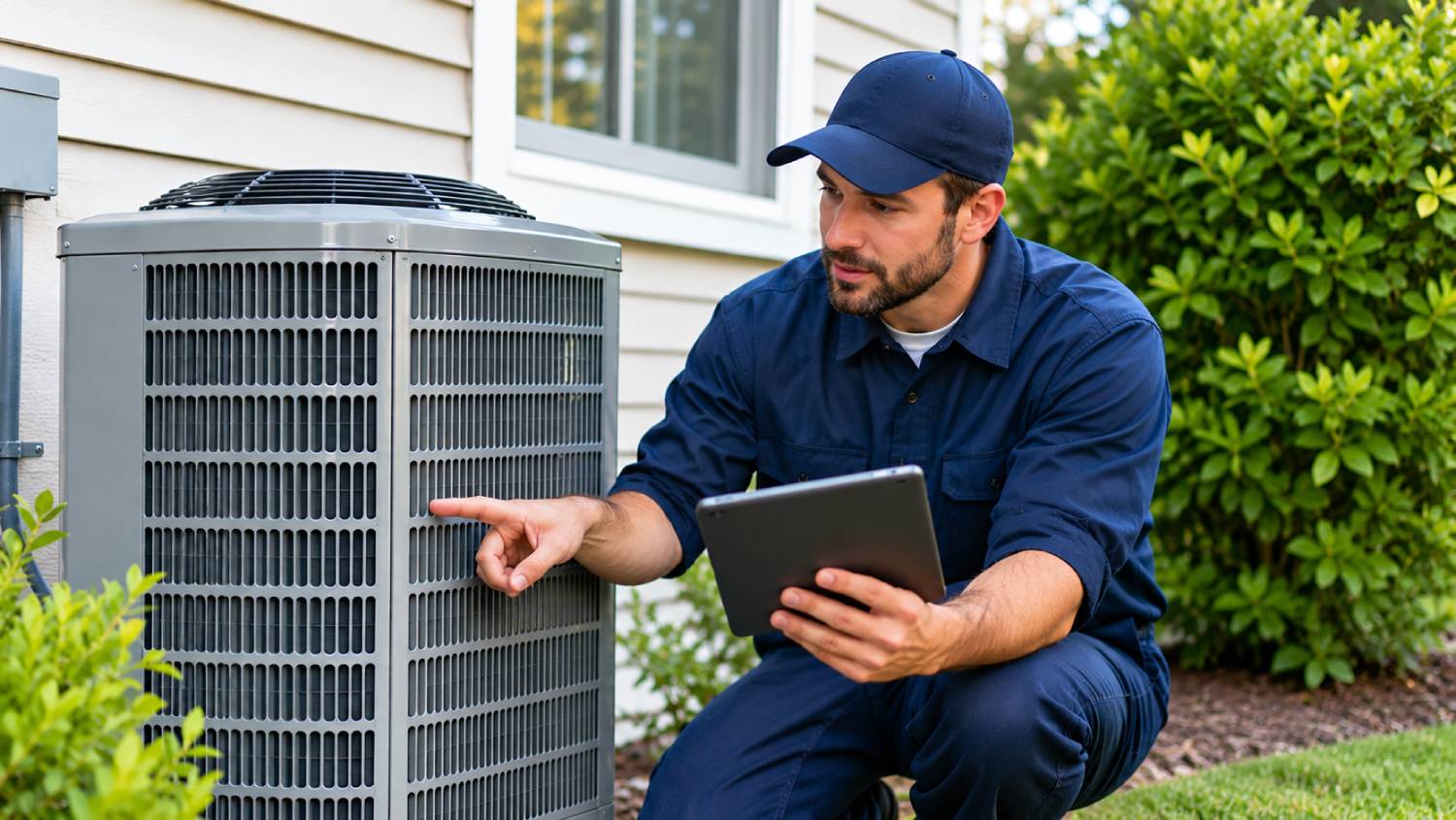
A comfortable home depends on more than adjusting the thermostat. While temperature settings control when heating and cooling equipment operates, several other factors determine how effectively the system maintains indoor comfort. Airflow restrictions, insulation problems, ageing equipment, and neglected maintenance can all reduce performance, even when the thermostat appears to be working correctly.
Understanding these underlying issues can help homeowners identify problems before they become expensive repairs. Whether you experience uneven temperatures, rising energy bills, or inconsistent airflow, professional HVAC services in Spanish Springs, NV can help assess system performance and identify appropriate improvements. Taking a broader approach to heating and cooling often delivers better results than repeatedly changing thermostat settings.
How Airflow Affects Heating and Cooling Efficiency
Proper airflow is essential for distributing conditioned air throughout your home. When air filters become clogged, supply vents are obstructed, or ductwork develops restrictions, your HVAC system may struggle to maintain consistent temperatures. Reduced airflow can also affect equipment operation, potentially increasing energy consumption and causing unnecessary strain on internal components.
Homeowners should regularly inspect accessible air filters, keep furniture away from vents, and ensure supply and return openings remain unobstructed. However, persistent airflow problems may require professional investigation. Experienced technicians providing HVAC services in Spanish Springs, NV can examine ductwork, airflow distribution, and equipment operation to identify problems that routine household checks might miss.
Why Insulation and Air Leaks Matter
Even a properly functioning HVAC system can struggle when a home loses conditioned air through poorly insulated walls, ceilings, or floors. During colder months, inadequate insulation allows warmth to escape, while summer heat can enter through the same areas. Consequently, heating and cooling equipment may operate longer to maintain the desired indoor temperature.
Air leakage around windows, doors, attic openings, and service penetrations can create similar problems. Sealing appropriate gaps and improving insulation can help maintain indoor temperatures and reduce unnecessary heating and cooling demand. Before upgrading HVAC equipment, homeowners should consider whether improvements to the building itself could address existing comfort concerns.
The Role of Ductwork in Indoor Comfort
Ductwork carries heated or cooled air from central HVAC equipment to different rooms. Poorly designed, damaged, or leaking ducts can prevent adequate airflow from reaching certain spaces. This often results in uneven temperatures, weak airflow, and longer heating or cooling cycles, even when the equipment is functioning normally.
Ducts located in unconditioned spaces may also experience unwanted heat loss or gain if they are poorly insulated. Professional duct inspections can identify leakage, disconnected sections, and airflow restrictions. Correcting these issues may improve comfort without requiring a complete heating and cooling system replacement.
How Equipment Age and Maintenance Influence Performance
As heating and cooling equipment ages, components may wear, connections can deteriorate, and operational efficiency may decline. However, equipment age alone does not determine whether replacement is necessary. Installation quality, maintenance history, operating conditions, and previous repairs all influence how reliably an HVAC system performs.
Routine maintenance helps identify developing problems before they cause more disruptive failures. Depending on the equipment, professional servicing may involve inspecting electrical connections, checking refrigerant system operation, examining condensate drainage, and assessing mechanical components. Following manufacturer recommendations and addressing faults promptly can support reliable operation and help maintain system efficiency.
Why HVAC System Sizing Makes a Difference
An HVAC system must be appropriately sized for the home’s heating and cooling requirements. Oversized equipment may cycle on and off frequently, potentially affecting efficiency, temperature consistency, and humidity control. Undersized equipment, meanwhile, may struggle to maintain comfortable temperatures during periods of extreme weather.
Proper equipment selection involves more than considering floor area. Insulation levels, window characteristics, building layout, local climate, and household requirements also influence heating and cooling demand. A qualified professional can conduct a suitable load assessment before recommending replacement equipment, helping homeowners avoid performance problems associated with incorrect system sizing.
Conclusion
Heating and cooling performance depends on several interconnected factors beyond thermostat settings. Airflow restrictions, insulation deficiencies, ductwork problems, ageing components, and incorrect equipment sizing can all influence indoor temperatures and energy consumption. Recognising these issues helps homeowners understand why changing thermostat settings may not resolve persistent comfort problems.
Regular maintenance, appropriate home improvements, and timely professional inspections can help heating and cooling equipment perform more effectively. Rather than assuming the thermostat or HVAC system is responsible for every temperature problem, consider the home’s overall heating and cooling conditions. Identifying the actual cause is the most practical way to improve comfort, maintain efficiency, and avoid unnecessary repairs.