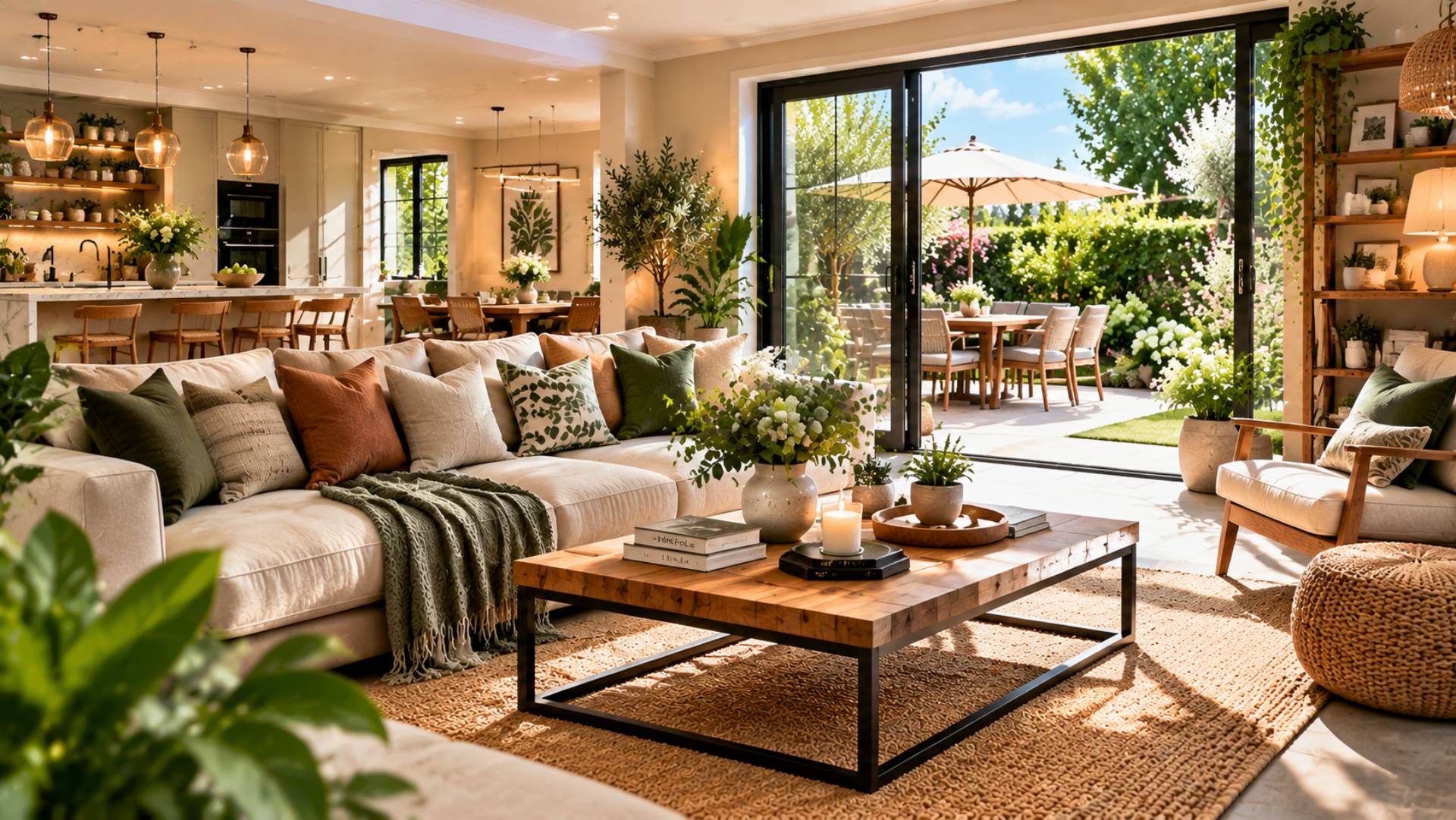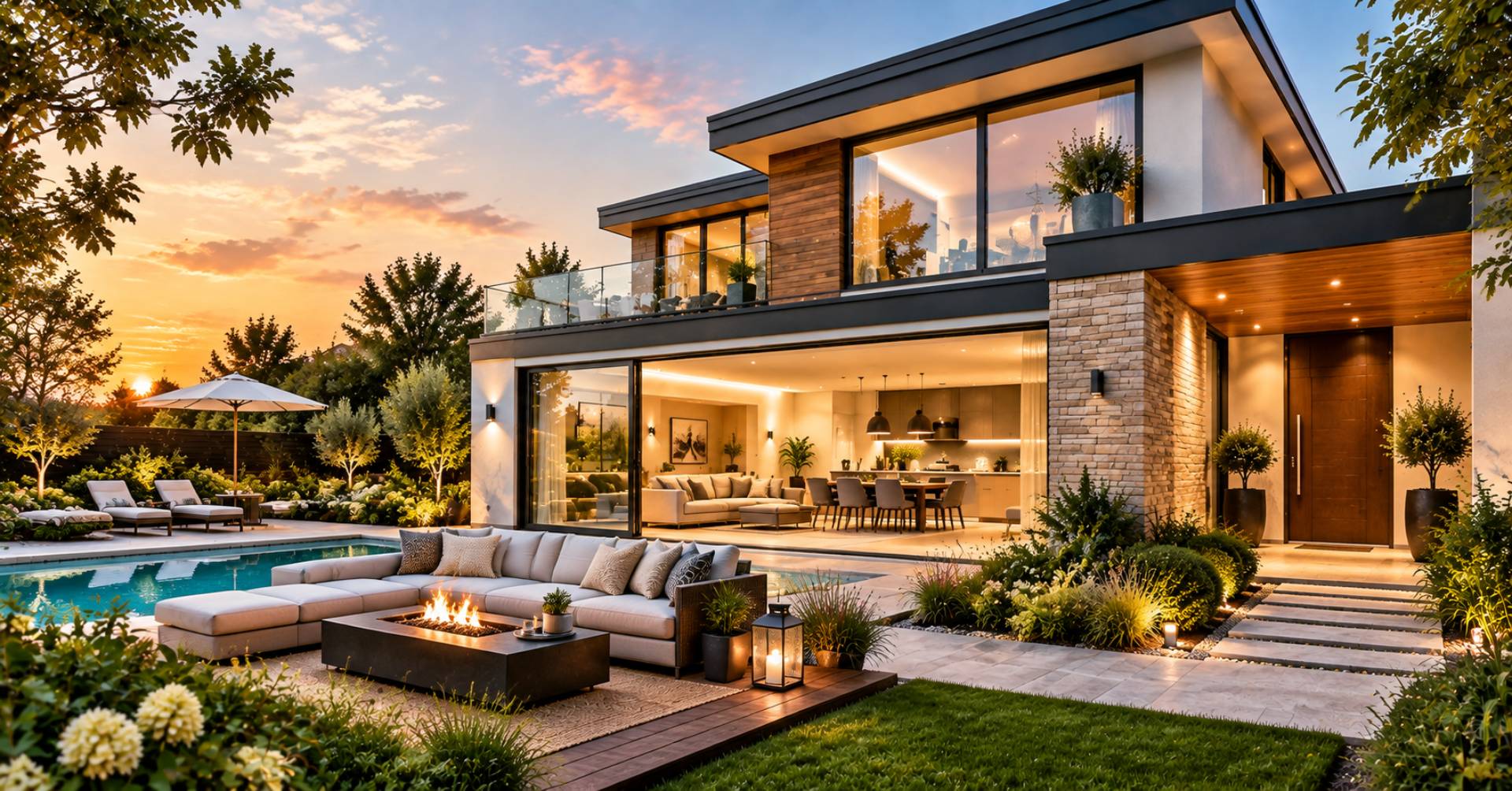
Building a dream home is an opportunity to create a space that reflects your personality, daily routines and future plans. Instead of simply following trends, the best homes are designed around the way people actually live. From room layouts and storage solutions to outdoor areas and energy efficiency, every choice should support comfort and functionality.
A successful home project starts with understanding your needs before making design decisions. Whether you want a family-friendly layout, a quiet workspace or a relaxing place to unwind, careful planning helps create a home that feels personal, practical and enjoyable for years to come.
Understand Your Lifestyle and Priorities
Before drawing plans or choosing finishes, think about how you use your current home and what improvements would make everyday life easier. Consider your morning routines, hobbies, family requirements and how your needs may change in the future. A well-designed home should support both your current lifestyle and long-term goals.
Create a list of must-have features and additional preferences. This could include open living areas, extra bedrooms, a home office, a larger kitchen or dedicated storage spaces. Prioritising these elements helps guide decisions and prevents unnecessary compromises during the building process.
Choose the Right Layout for Your Needs
The layout of a home affects how comfortable and practical it feels. Open-plan designs can create a sense of connection between living spaces, while separate rooms may provide more privacy for families or people working from home. The ideal arrangement depends on how you spend your time.
Think carefully about the position of bedrooms, bathrooms, kitchens and shared areas. Good flow between rooms can make daily activities easier and improve how the home feels. Natural movement patterns, accessibility and future flexibility should all be considered during the planning stage.
Design Spaces That Support Everyday Living
A dream home should include spaces that match your interests and routines. A person who enjoys cooking may benefit from a well-planned kitchen with enough preparation space, while someone who works remotely may need a comfortable and quiet office area.
Consider including features that improve convenience, such as:
- Built-in storage to reduce clutter.
- Flexible rooms that can serve multiple purposes.
- Comfortable outdoor areas for relaxation.
- Practical utility spaces for household tasks.
These details can make a home more enjoyable and easier to maintain over time.
Focus on Quality Materials and Finishes
Choosing materials carefully can influence the appearance, durability and maintenance needs of your home. Flooring, kitchen surfaces, windows, doors and bathroom fittings should not only look attractive but also suit your lifestyle and daily use.
It is important to balance design preferences with practical considerations. For example, busy households may benefit from durable and easy-to-clean finishes, while homeowners looking for a premium feel may prefer natural materials and detailed craftsmanship. Quality choices can help your home remain appealing for many years.
Include Energy-Efficient Features
Modern homes can be designed to use energy more effectively. Good insulation, efficient heating systems, suitable windows and thoughtful lighting choices can improve comfort while helping manage energy use.
When planning your home, consider how the building orientation, ventilation and natural light can influence the indoor environment. A design that makes good use of daylight and airflow can create a healthier and more pleasant living space.
Create a Connection Between Indoor and Outdoor Areas
Outdoor spaces can become an important extension of your home. Gardens, patios, balconies and outdoor seating areas provide additional areas for relaxation, entertainment and family activities.
Think about how outdoor spaces will be used throughout the year. Features such as planting areas, lighting, privacy solutions and comfortable seating can help create an inviting environment that complements the interior design.
Plan for the Future
A dream home should continue meeting your needs as your lifestyle changes. Consider how your family may grow, how your work arrangements may develop and whether certain spaces could serve different purposes later.
Flexible design choices, such as adaptable rooms and accessible features, can make the property more suitable in the future. Planning ahead can reduce the need for major changes and help your home remain comfortable for longer.
Work With the Right Professionals
Building a home requires collaboration between architects, designers, builders and other specialists. Choosing experienced professionals who understand your vision can make the process smoother and help turn ideas into practical solutions.
Clear communication is essential throughout the project. Discuss your expectations, budget and priorities early, and regularly review progress to ensure decisions remain aligned with your original goals.
Conclusion
Building a dream home is about creating a space that matches your lifestyle, values and future needs. By focusing on thoughtful planning, practical layouts, quality materials and personal preferences, you can create a home that feels comfortable and meaningful.
The best homes are not only visually appealing but also designed around the people who live in them. Taking time to understand your needs and making informed decisions throughout the process can help you build a property that you will enjoy for many years.