A reliable heating system is the heart of a cozy home during the winter months. When the temperature drops, you depend on your furnace to provide consistent and safe warmth. However, even the most robust systems can encounter minor hiccups that disrupt your comfort. Ignoring these small issues often leads to reduced efficiency and a noticeable spike in your monthly energy bills.
Understanding how your system operates can save you time and money. By learning a few vital heating repair tips, you can keep your home warm without having to call a technician right away. Many common furnace problems are simple enough for a homeowner to handle safely. Taking a proactive approach to DIY furnace troubleshooting ensures your family stays comfortable and secure all season long.
Common Signs Your Furnace Needs Quick Attention
Before you grab your tools, you must identify the symptoms of a struggling heater. Homeowners often look for specific “red flags” when their systems start acting up. Recognizing these signs early can prevent a total system breakdown.
- Furnace blowing cold air: This is often the first sign that something is wrong with the ignition or the thermostat.
- Unusual noises: Listen for loud banging, persistent rattling, or high-pitched squealing coming from the unit.
- Frequent cycling: This happens when the furnace turns on and off too quickly without reaching the set temperature.
- Weak airflow: You may feel very little air coming out of your heating vents even when the fan is running.
- High energy bills: A sudden increase in your heating costs usually means the system is working harder than it should.
Check the Thermostat First
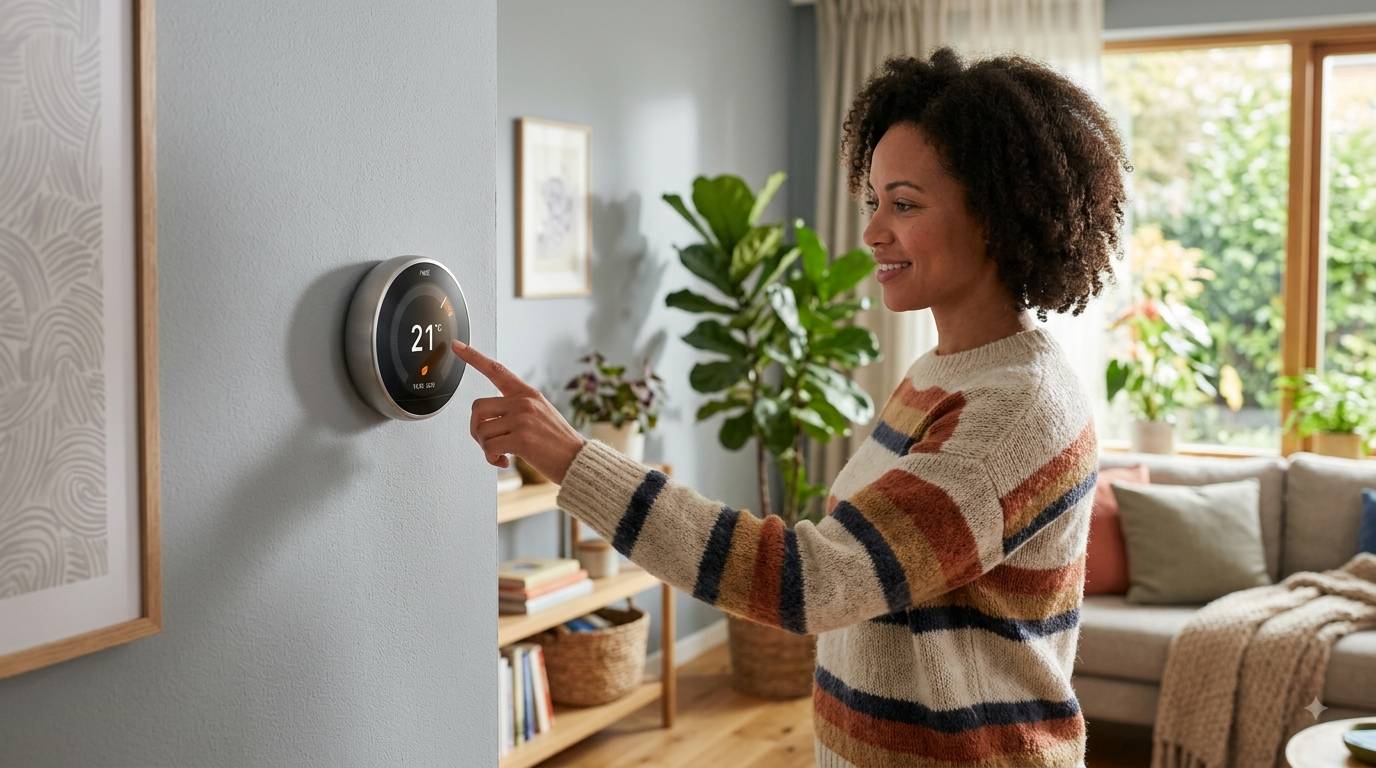
It may seem obvious, but the thermostat is the brain of your heating system. Many “broken” furnaces are actually just experiencing a communication error with the thermostat. Start your troubleshooting here to rule out simple settings errors.
First, ensure the thermostat is set to “HEAT” mode, not “COOL” or “OFF.” Sometimes, a family member might have bumped the switch by mistake. Next, try increasing the temperature setting by five degrees to see if the furnace kicks in. If the display is blank or flickering, replace the batteries immediately. Finally, check your programmable schedules to ensure a “vacation mode” isn’t keeping the house colder than intended. Following these vital heating repair tips can often resolve the issue in minutes.
Replace or Clean the Furnace Air Filter
A dirty air filter is the leading cause of furnace inefficiency and equipment failure. When a filter becomes clogged with dust and pet dander, it restricts the airflow your system needs to breathe. This restriction causes the heat exchanger to overheat, potentially triggering a safety shutdown.
You should inspect your filter every month and replace it at least every 90 days. If you have pets or allergies, a monthly change is even better for your indoor air quality. Using high-efficiency pleated filters can capture smaller particles, but make sure your system is rated for them. A clean filter allows your furnace to run smoothly, reducing wear and tear on the internal motor.
Inspect the Circuit Breaker or Power Supply
Sometimes a furnace loses its power source. If your unit won’t turn on at all, it might be an electrical issue rather than a mechanical one. This is a common occurrence during winter storms or power surges.
Locate your home’s main electrical panel and look for the circuit labeled “Furnace” or “HVAC.” If the switch is in the middle position, it has tripped. Flip it all the way to “OFF” and then back to “ON” to reset it. Also, check the power switch located directly on or near the furnace unit. This switch often looks like a standard light switch and can be accidentally turned off by someone working in the attic or basement.
Check the furnace pilot light or Ignition System
For those with older gas furnaces, a standing pilot light is a critical component. If this small flame goes out, your furnace will not produce heat. Modern furnaces use electronic igniters, but the principle of checking the start-up sequence remains the same.
If you have a pilot light, follow the manufacturer’s instructions to relight it safely. Often, a dirty thermocouple—a small sensor near the flame—will cause the pilot to go out. If you feel uncomfortable working with gas components, this is the time to reach out for professional help. However, checking for a visible flame is a quick way to diagnose why the air is coming out cold.
Clear Blocked Vents and Air Ducts
Your furnace might be producing plenty of heat, but that heat cannot reach you if the path is blocked. Blocked vents are a common cause of “cold spots” in specific rooms. This issue forces your furnace to work harder, which shortens its lifespan.
Walk through every room in your house and ensure furniture, rugs, or curtains are not covering the registers. Even a partially blocked vent can disrupt the pressure balance of your HVAC system. Additionally, use a vacuum attachment to clean dust and debris from the vent openings. Keeping these pathways clear ensures that every BTU of heat your furnace produces actually warms your living space.
Listen for Unusual Furnace Noises
Your furnace should operate with a consistent, low hum. When you start hearing “mechanical music,” it is usually a cry for help. Different sounds point to different internal problems that require your attention.
A loud banging sound often indicates “delayed ignition,” where gas builds up before igniting. This is a serious issue that needs a professional look. A whistling sound usually suggests an airflow restriction or a leak in the ductwork. If you hear grinding or metal-on-metal screeching, the blower motor bearings are likely failing. Catching these sounds early can prevent an expensive motor replacement later in the season.
Preventive Maintenance Tips
The best way to fix a furnace is to prevent it from breaking in the first place. Regular upkeep ensures your system runs at peak efficiency for many years. It also gives you peace of mind during the coldest nights of the year.
- Annual Professional Inspection: Have a technician check the heat exchanger and gas connections every autumn.
- Seasonal Duct Cleaning: Removing dust buildup improves airflow and reduces the strain on your blower motor.
- Thermostat Calibration: Ensure your thermostat is reading the room temperature accurately.
- HVAC Maintenance Plans: Many companies offer yearly plans that include priority service and discounts on parts.
Investing in these routines extends your equipment’s lifespan and keeps your manufacturer’s warranty valid.
Conclusion
Taking care of your heating system does not always require a toolbox and a degree. By checking your thermostat, changing your filters, and listening for odd noises, you can solve many common issues yourself. These simple steps protect your comfort and your wallet. However, if a problem persists or involves gas leaks, always prioritize safety and call a professional. Staying proactive with your furnace maintenance ensures your home remains a warm sanctuary all winter long.