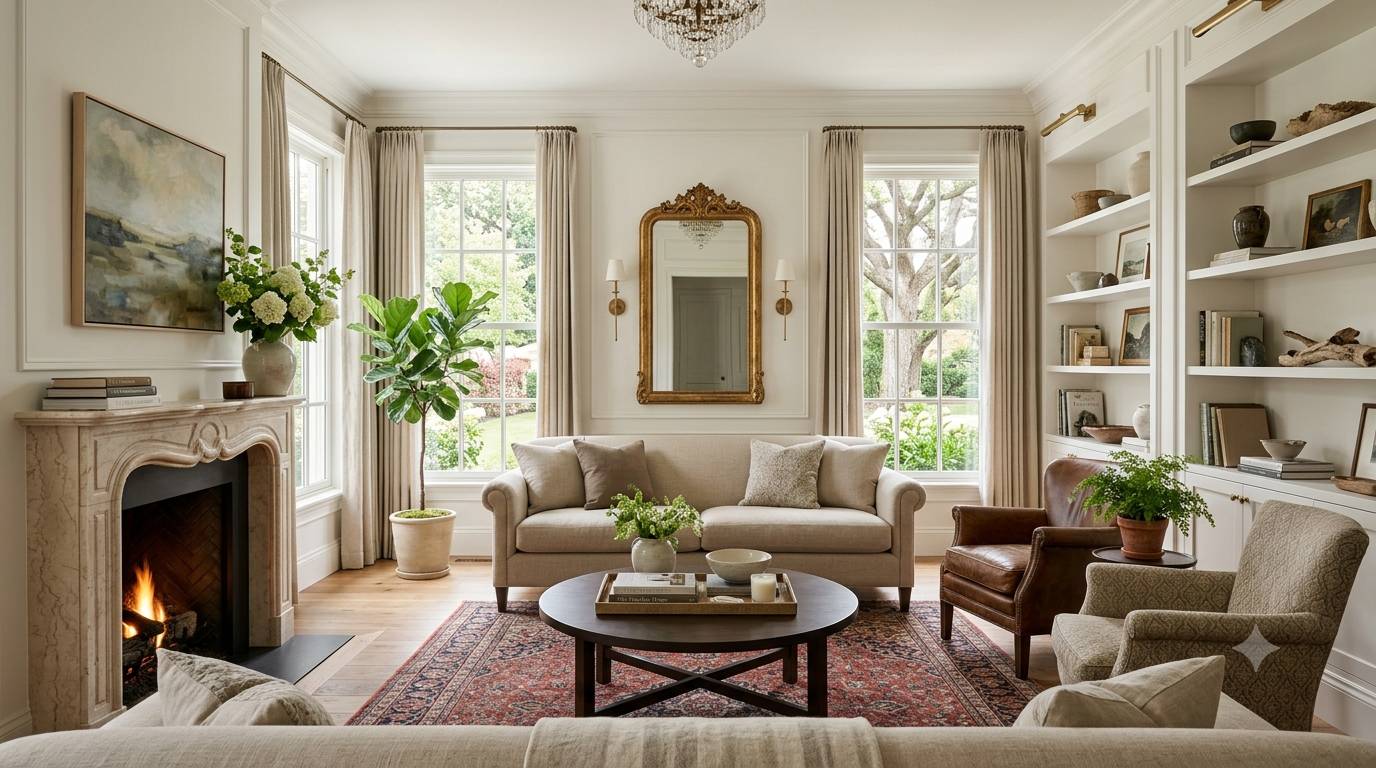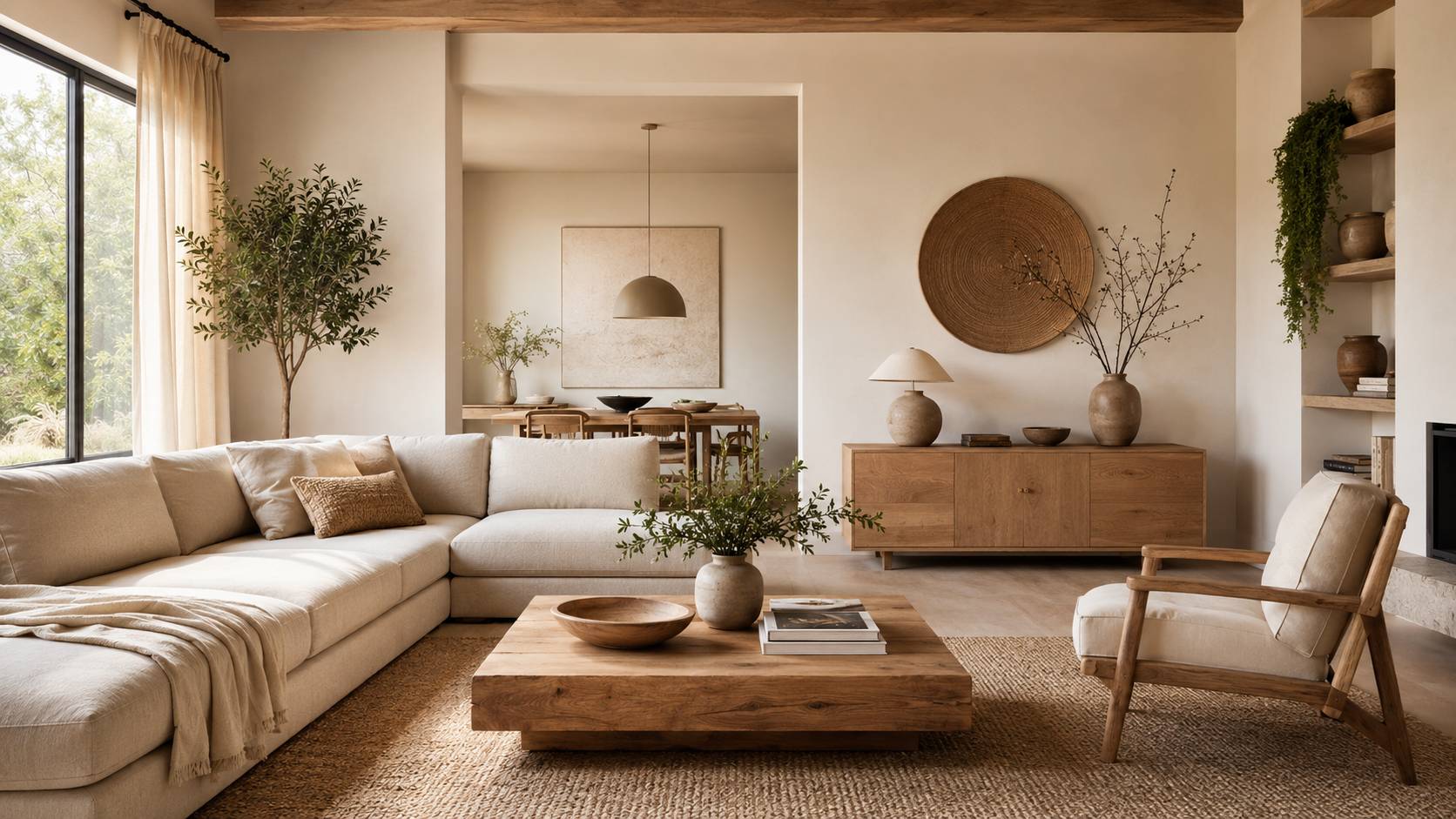
Minimalism has come a long way from the stark white rooms and nearly empty spaces that once defined the trend. Today, minimalist interior design is less about owning as little as possible and more about creating a home that feels peaceful, functional, and deeply personal.
A warm minimalist home combines clean lines with natural textures, meaningful décor, and comfortable furniture. It offers simplicity without sacrificing character, making everyday living more enjoyable while reducing visual clutter and unnecessary distractions.
Whether you’re decorating a new home or refreshing your current space, this guide will show you how to create a minimalist interior that feels welcoming, lived-in, and uniquely yours.
What Is Warm Minimalist Interior Design?
Warm minimalist interior design is a style that focuses on simplicity while adding comfort, texture, and personality. Instead of removing everything, it encourages thoughtful choices that make a room feel balanced and inviting.
The goal isn’t to create an empty space. It’s to remove distractions so the elements you truly love can stand out.
This design style typically includes:
- Neutral color palettes with warm undertones
- Natural materials like wood, linen, stone, and cotton
- Comfortable, functional furniture
- Soft lighting
- Carefully selected decorative pieces
- Open layouts that encourage relaxation
Rather than chasing perfection, warm minimalism celebrates intentional living.
Why Warm Minimalism Is Becoming So Popular
Many people are moving away from overcrowded interiors filled with unused decorations and furniture. Modern life already feels busy, and our homes can either add to that stress or help reduce it.
A warm minimalist home offers several benefits:
- Creates a calming atmosphere
- Makes cleaning and maintenance easier
- Improves organization
- Highlights quality over quantity
- Makes rooms feel larger and brighter
- Encourages mindful purchasing
- Supports better mental well-being through reduced visual clutter
The result is a home that feels peaceful without feeling cold.
Start with a Warm Neutral Color Palette
Color sets the emotional tone of a room. While traditional minimalism often relies on bright white, warm minimalism introduces softer shades that feel more welcoming.
Popular colors include:
- Warm white
- Cream
- Beige
- Sand
- Taupe
- Light greige
- Soft brown
- Muted olive
- Earthy clay
- Warm gray
These colors reflect natural light beautifully while creating a relaxed environment.
For visual interest, layer different shades instead of relying on one flat color throughout the room.
Choose Quality Furniture Instead of More Furniture
Minimalism isn’t about having fewer seats or empty rooms. It’s about selecting furniture that serves a purpose and lasts for years.
When choosing furniture, look for pieces that offer:
- Comfortable proportions
- Durable materials
- Timeless shapes
- Hidden storage when possible
- Clean lines without excessive ornamentation
A well-made wooden dining table or a comfortable linen sofa can become the centerpiece of a room without overwhelming it.
Investing in fewer high-quality pieces often creates a more refined and lasting design.
Add Texture to Prevent the Space from Feeling Flat
Texture is what transforms a simple room into a comfortable one.
Without texture, neutral spaces can appear dull or unfinished.
Layer materials such as:
- Linen curtains
- Wool throws
- Cotton cushions
- Wooden furniture
- Stone countertops
- Woven baskets
- Ceramic vases
- Natural fiber rugs
Mixing textures creates depth while maintaining a calm color palette.
This subtle contrast gives the room personality without adding clutter.
Decorate with Meaningful Objects
One of the biggest misconceptions about minimalism is that shelves should remain empty.
Instead, choose decorations that genuinely matter.
Examples include:
- Family photographs
- Handmade pottery
- Travel souvenirs
- Favorite books
- Original artwork
- Indoor plants
- Vintage finds with personal history
Each item should contribute something meaningful instead of simply filling empty space.
This approach creates authenticity while keeping surfaces clean and organized.
Bring Nature Indoors
Natural elements instantly soften minimalist interiors.
Wood, plants, and organic materials introduce warmth that artificial décor often cannot replicate.
Easy ways to add nature include:
- Large leafy houseplants
- Wooden coffee tables
- Stone accessories
- Dried flowers
- Bamboo blinds
- Clay planters
- Fresh greenery
Natural materials also age beautifully, giving your home character over time.
Let Natural Light Take Center Stage
Lighting dramatically influences how a room feels.
Warm minimalist interiors maximize daylight whenever possible.
You can increase natural light by:
- Using sheer curtains
- Keeping windows unobstructed
- Choosing reflective surfaces carefully
- Painting walls in lighter shades
- Positioning mirrors strategically
For evenings, layer different light sources instead of relying on one bright ceiling fixture.
Consider:
- Floor lamps
- Table lamps
- Wall sconces
- Warm LED bulbs
- Candles for occasional ambiance
Soft lighting creates an inviting atmosphere throughout the day.
Keep Storage Invisible but Accessible
A clutter-free room doesn’t happen by accident.
Good storage allows everyday items to remain accessible without becoming visual distractions.
Useful storage ideas include:
- Built-in cabinets
- Storage benches
- Closed shelving
- Under-bed storage
- Multi-functional furniture
- Decorative baskets
The goal is not to hide your life but to organize it thoughtfully.
Everything should have a designated place.
Use Personal Style to Avoid a Generic Look
Minimalist homes sometimes look identical because they follow trends too closely.
Adding personality is what makes your home memorable.
Think about what represents you.
You might include:
- A favorite reading chair
- Local artwork
- Vintage lighting
- Handmade textiles
- Collected ceramics
- Musical instruments
- Personal photography
- Meaningful heirlooms
These elements tell your story while maintaining a clean overall design.
Minimalism should reflect your personality, not erase it.
Create Comfortable Living Spaces
Comfort should always come before appearance.
Even the most beautiful room won’t feel successful if it isn’t enjoyable to use.
Focus on:
- Soft seating
- Cozy blankets
- Supportive cushions
- Comfortable dining chairs
- Practical layouts
- Easy movement throughout the room
A minimalist home should invite people to stay, not simply admire it.
Avoid Common Minimalist Design Mistakes
Many homeowners unintentionally create spaces that feel unfinished or uncomfortable.
Here are some mistakes to avoid:
Buying Everything at Once
Building a thoughtful home takes time.
Allow your space to evolve naturally.
Choosing Only White
Adding warm neutrals creates a more inviting environment.
Ignoring Texture
Different materials prevent rooms from feeling sterile.
Removing Too Much
Minimalism isn’t about deprivation.
Keep the items that bring genuine joy or serve a clear purpose.
Following Trends Blindly
Design trends change quickly.
Focus on timeless choices that suit your lifestyle.
Room-by-Room Warm Minimalist Ideas
Living Room
- Comfortable neutral sofa
- Wooden coffee table
- Textured rug
- One statement artwork
- Indoor plant
- Soft layered lighting
The room should encourage conversation and relaxation.
Bedroom
- Crisp neutral bedding
- Linen curtains
- Wooden bedside tables
- Warm bedside lamps
- Minimal décor
- Hidden storage
A peaceful bedroom supports better sleep and reduces stress.
Kitchen
- Clear countertops
- Natural wood accents
- Simple open shelving
- Ceramic storage jars
- Neutral backsplash
- Functional organization
Everyday cooking becomes easier in a clutter-free kitchen.
Bathroom
- Soft towels
- Stone or wood accessories
- Neutral colors
- Minimal toiletries on display
- Woven baskets
- Small greenery
The space should feel like a personal retreat.
How to Make Minimalism Feel Cozy
Creating warmth is often about small details rather than major renovations.
Simple ideas include:
- Layer fabrics instead of adding more furniture.
- Use warm lighting instead of cool white bulbs.
- Display a few meaningful objects rather than many decorative accessories.
- Add natural wood whenever possible.
- Include indoor plants for life and color.
- Choose rounded shapes alongside clean lines.
- Keep spaces tidy without making them feel empty.
These thoughtful touches make a minimalist home feel welcoming and lived in.
Frequently Asked Questions
Can minimalist homes still feel cozy?
Absolutely. Cozy minimalism combines simple layouts with soft textures, warm colors, layered lighting, and personal touches to create inviting spaces.
What colors work best in warm minimalist interiors?
Cream, beige, taupe, warm white, sand, muted green, earthy brown, soft gray, and natural wood tones create a calming atmosphere without feeling stark.
How do I add personality to a minimalist home?
Choose meaningful artwork, family photographs, travel keepsakes, books, handcrafted décor, and vintage pieces that reflect your interests rather than filling shelves with random decorations.
Is minimalism expensive?
Not necessarily. While investing in quality furniture can cost more upfront, buying fewer, well-made pieces often saves money over time and reduces unnecessary purchases.
Can small homes benefit from minimalist design?
Yes. Minimalist design helps small spaces feel larger by reducing clutter, improving storage, maximizing natural light, and using furniture more efficiently.
Final Thoughts
Warm minimalist interior design proves that simplicity doesn’t have to feel cold or impersonal. By combining clean layouts with natural materials, layered textures, thoughtful lighting, and meaningful décor, you can create a home that feels calm, comfortable, and full of character.
The key isn’t owning less for the sake of it. It’s surrounding yourself with items that serve a purpose, bring joy, or tell your story. When every piece has intention, your home becomes easier to maintain, more relaxing to live in, and better suited to your everyday life.
Instead of chasing a picture-perfect minimalist aesthetic, focus on creating spaces that support how you live. A warm minimalist home is one that welcomes you at the end of the day, feels peaceful without feeling empty, and reflects your personality in a simple, timeless way.
Conclusion
Minimalist interior design is no longer about stripping a room down to its bare essentials. Today’s warm minimalist approach embraces comfort, functionality, and personal expression while maintaining the simplicity that makes a home feel organized and peaceful. By choosing quality furniture, incorporating natural textures, using warm neutral colors, and decorating with intention, you can enjoy a space that feels both elegant and inviting.
Whether you’re redesigning a single room or your entire home, remember that the best minimalist interiors aren’t defined by how little they contain—they’re defined by how thoughtfully every element contributes to the overall experience. Keep what matters, remove what doesn’t, and create a home that brings lasting comfort and calm every day.