Receiving the keys at the closing table is an incredible feeling, but it marks the beginning of your journey as a homeowner, not the end. The initial twelve months in a new home set the tone for your security, comfort, and financial predictability.
Navigating this transition smoothly requires prioritizing essential safety and operational steps before tackling major aesthetic upgrades. By systematically addressing security, understanding your property’s mechanics, and establishing a clear maintenance routine, you protect your investment from day one.
The Ultimate First-Year Timeline for New Homeowners
Breaking your responsibilities down into distinct timeframes prevents overwhelm and ensures critical tasks are completed on time.
Week 1: Security, Safety, and Immediate Setup
- Change the Locks and Access Codes: Rekey or replace all exterior door locks, update keypad codes, and clear previous owners from smart garage door openers.
- Locate Main Utility Shutoffs: Identify the exact locations of the main water shutoff valve, electrical breaker box, and gas valve so you can act quickly during an emergency.
- Verify Safety Detectors: Test smoke and carbon monoxide detectors on every floor. Install fresh batteries or replace outdated units immediately.
- Document Property Condition: Take detailed photos and videos of every room, appliance, and exterior area to baseline the home’s condition for insurance purposes.
- Confirm Insurance and Utility Transfers: Ensure homeowners insurance is active and that electricity, gas, water, and internet accounts are officially transferred to your name.
Month 1: System Checks and Organization
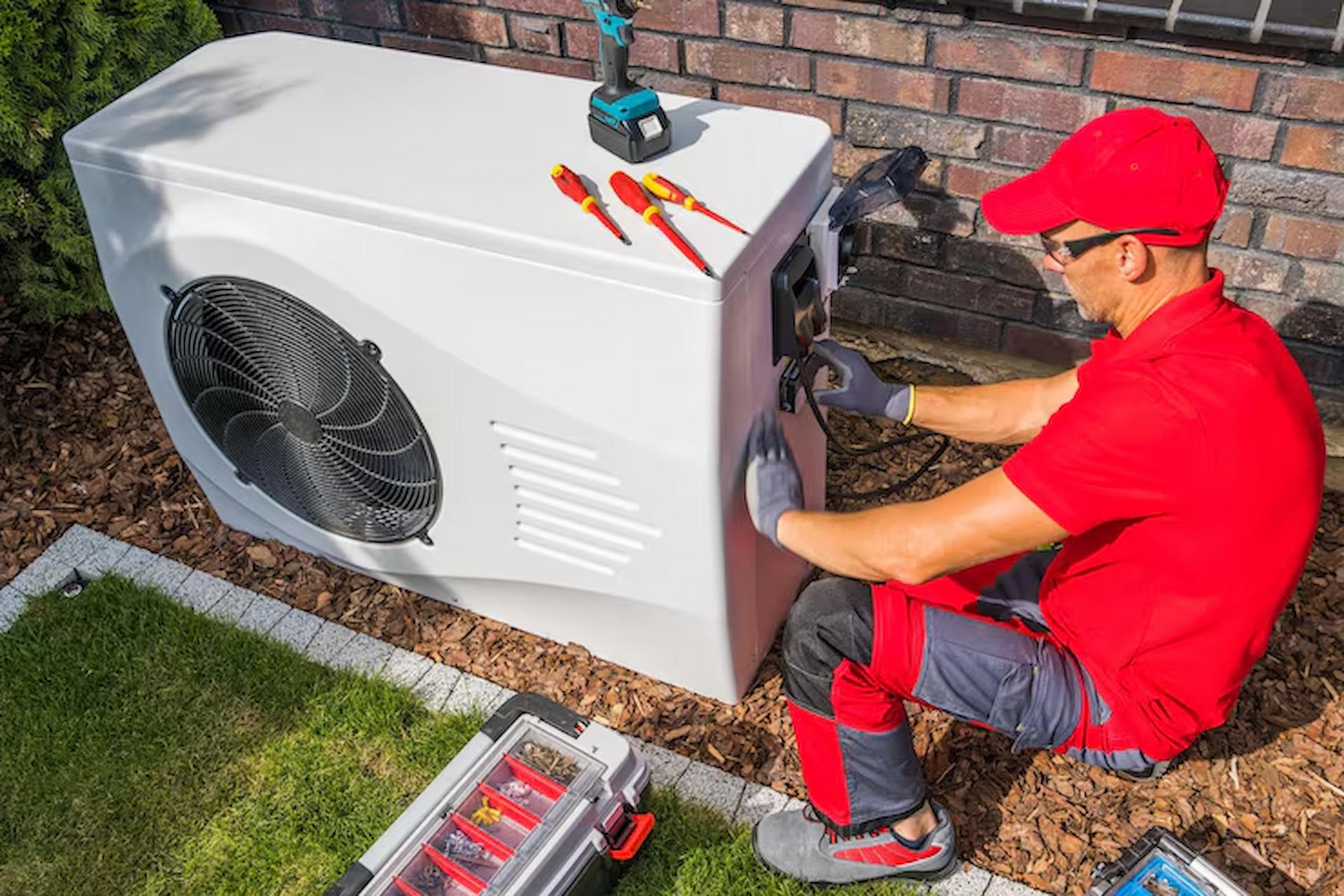
- Deep Clean and Service HVAC: Replace air filters, clean air vents, and schedule a professional inspection to baseline your heating and cooling performance.
- Monitor Plumbing Performance: Check under sinks, around toilets, and near water heaters for silent leaks, slow drips, or water pressure anomalies.
- Inspect Exterior Drainage: Observe how rain runoff flows around your foundation during a storm. Ensure downspouts direct water at least five feet away from walls.
- Organize Warranties and Manuals: Create a central binder or digital folder containing appliance manuals, home inspection reports, closing documents, and contractor contacts.
- Establish an Emergency Repair Fund: Open a dedicated high-yield savings account for home maintenance, aiming to systematically build a reserve for capital repairs.
Months 2 to 6: Seasonal Monitoring and Priority Repairs
- Address Inspection Deliberations: Complete urgent safety or functional repairs identified during your pre-purchase home inspection before starting cosmetic upgrades.
- Inspect Windows and Doors: Check weatherstripping and caulk around frames to prevent drafts, moisture intrusion, and energy loss before seasonal weather hits.
- Clean Gutters and Downspouts: Clear leaves and debris from gutters twice a year to ensure proper roof drainage and prevent water backing up into eaves.
- Learn Your Home’s Microclimate: Watch how light, temperature, and moisture change across room layouts and outdoor spaces throughout different weather conditions.
Months 7 to 12: Long-Term Upkeep and Future Planning
- Conduct an Annual Exterior Inspection: Check roof shingles, siding, foundation walls, and outdoor masonry for signs of cracking, wear, or pest entry points.
- Service Major Appliances: Flush the water heater annually to remove sediment build-up and clean refrigerator condenser coils to maintain operating efficiency.
- Review Tax and Insurance Statements: Re-evaluate your property tax assessment and review insurance coverage limits to reflect any improvements made over the year.
- Plan Future Renovations: Evaluate cosmetic projects using real experience gained from living in the space through every season.
Why You Should Wait to Start Major Renovations
It is tempting to immediately break down walls or order high-end finishes the moment you move in. However, rushing into expensive renovations during your first year is often a costly mistake.
Living in your home across all four seasons reveals vital operational insights you cannot see during a brief walkthrough. You might discover that a room that feels chilly in winter gets flooded with natural light and heat in summer, changing your lighting and HVAC needs. Waiting allows you to prioritize hidden infrastructure repairs—like an aging roof or failing water heater—over cosmetic wants, ensuring your budget stays focused on structural health first.
Building an Emergency Fund for Upkeep
Homeownership replaces landlord service calls with personal responsibility. Establishing a dedicated property emergency fund acts as a buffer against financial disruption.
Aim to accumulate funds specifically designated for household maintenance, distinct from standard emergency savings. Having these funds accessible ensures you can fix a leaking roof, replace a broken furnace in mid-winter, or address a plumbing emergency immediately, without resorting to high-interest debt or compromising your daily operational budget.
Frequently Asked Questions (FAQ)
What is the very first thing I should do after getting the keys?
Change all exterior locks and secure all entry points. You cannot verify how many spare keys were made or distributed by previous owners, contractors, or real estate agents.
How much should I save in my home emergency fund?
A standard benchmark is setting aside 1% to 3% of your home’s total value annually into a dedicated maintenance fund. Adjust this figure upward if you buy an older home with aging mechanical systems.
Should I complete all home inspection repairs immediately?
Prioritize structural, electrical, plumbing, and safety hazards right away. Cosmetic defects or minor cosmetic wear can be deferred safely until you understand your ongoing budget and seasonal living needs.
Conclusion
Your first year as a homeowner is about establishing stability, safety, and operational awareness. By tackling essential tasks in structured phases, monitoring your home through changing seasons, and keeping emergency funds ready, you lay a solid foundation for long-term comfort. Taking time to truly understand your property protects both your peace of mind and your financial future as a homeowner.