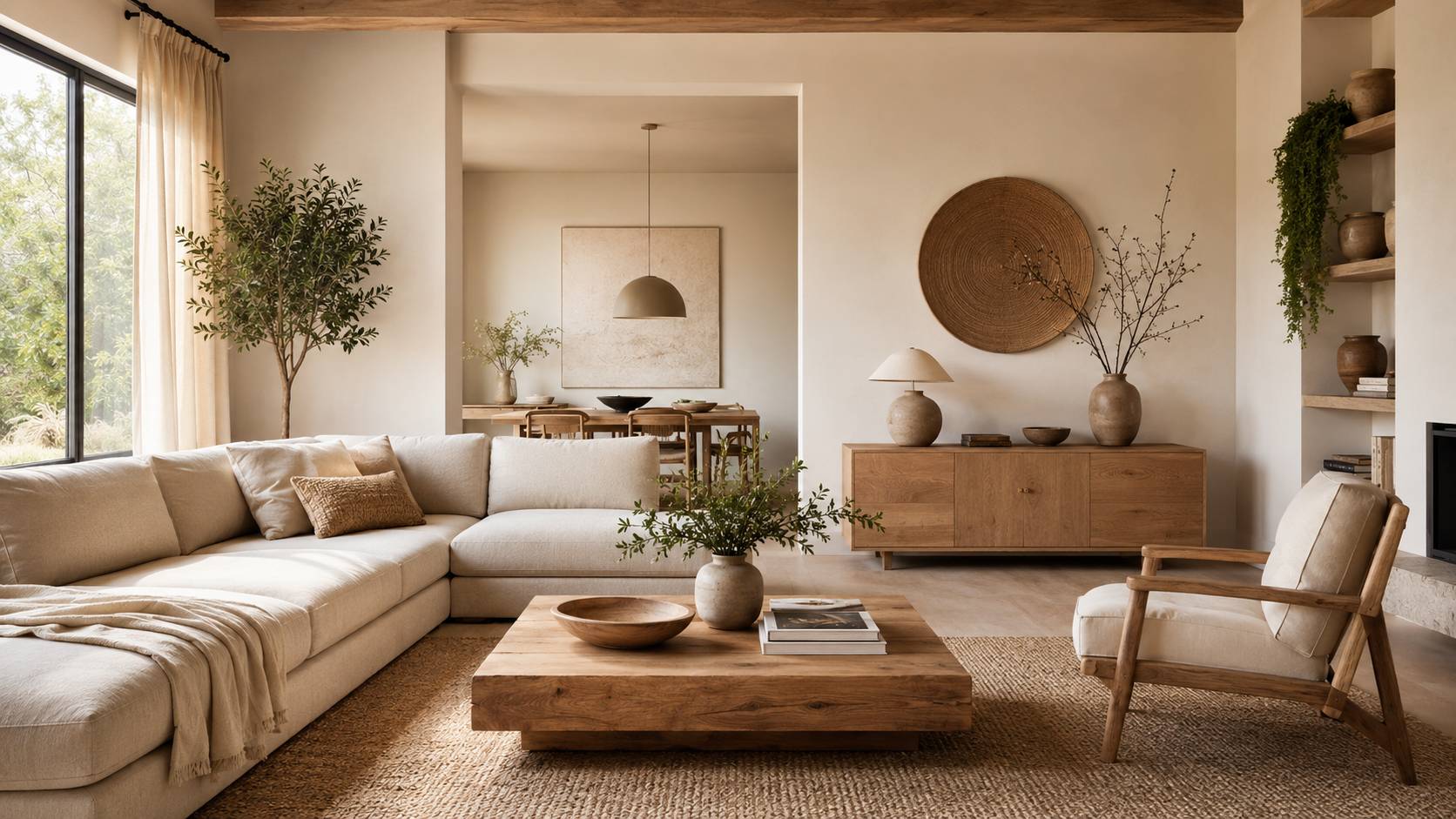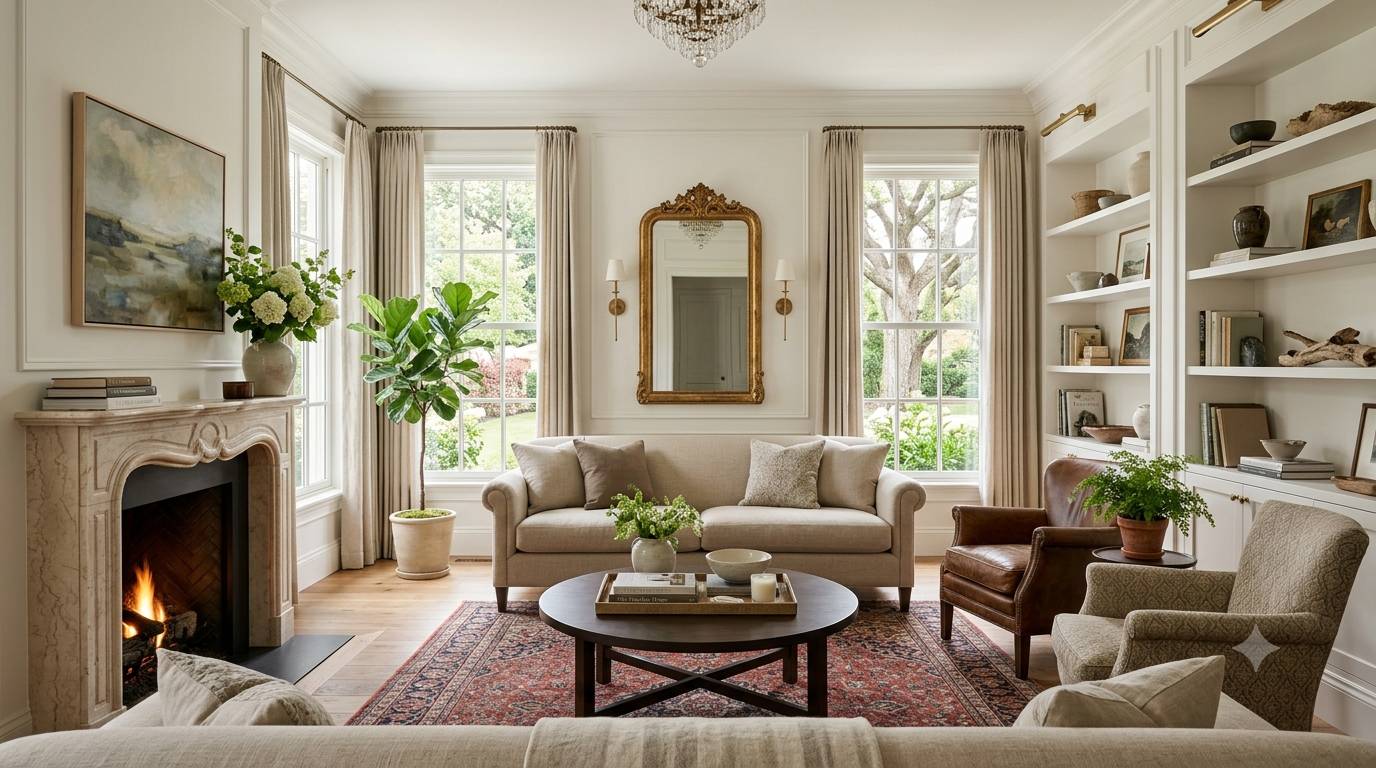
A beautifully designed home doesn’t need to follow every trend to feel fresh and inviting. In fact, the most memorable interiors are often the ones that stand the test of time. They combine thoughtful design, quality materials, and personal touches that remain appealing year after year.
Timeless home décor isn’t about creating a space that feels old-fashioned or predictable. It’s about building a foundation that adapts gracefully as your tastes evolve. Whether you’re decorating your first apartment, renovating a family home, or simply refreshing a room, focusing on classic design principles helps you create a space you’ll continue to love for years.
This guide explores the essential principles of timeless interior design, offering practical tips to help you create a stylish, comfortable, and enduring home.
What Is Timeless Home Décor?
Timeless home décor refers to interior design choices that remain attractive regardless of changing trends. Instead of relying on fashionable colors, furniture, or accessories that quickly become outdated, timeless interiors emphasize balance, functionality, craftsmanship, and understated elegance.
A timeless home typically includes:
- Neutral color palettes
- High-quality furniture
- Natural materials
- Functional layouts
- Classic architectural details
- Carefully chosen decorative accents
The goal isn’t to avoid trends completely. Instead, trends become accents rather than the foundation of the design.
Why Timeless Design Is Worth the Investment
Many homeowners redecorate every few years because trend-driven spaces often lose their appeal quickly. A timeless approach offers several lasting benefits.
Saves Money Over Time
Quality furniture and classic décor rarely need frequent replacement. Investing in durable pieces often costs less than repeatedly buying inexpensive trendy items.
Creates a Comfortable Living Environment
Classic interiors prioritize comfort alongside beauty. Rooms feel welcoming rather than staged or temporary.
Increases Home Appeal
Timeless interiors generally appeal to a broader audience. Whether you’re hosting guests or planning to sell your home someday, classic design tends to attract more people.
Offers Decorating Flexibility
Because the foundation remains neutral, you can easily update your space with seasonal accessories, artwork, pillows, or rugs without redesigning entire rooms.
Start with a Neutral Color Palette
Color creates the mood of every room. Timeless interiors often rely on soft, neutral shades that provide flexibility and visual calm.
Popular timeless colors include:
- Warm white
- Cream
- Soft beige
- Light gray
- Taupe
- Muted earth tones
Neutral walls allow furniture, artwork, textures, and natural light to become the focal points.
That doesn’t mean every room has to feel colorless. Rich greens, navy blues, charcoal, terracotta, or muted olive can add personality while maintaining a classic appearance.
Choose Quality Over Quantity
One of the biggest principles of timeless interior design is investing in fewer, better pieces.
Rather than filling every corner with inexpensive furniture, choose items that are:
- Well constructed
- Comfortable
- Functional
- Made from durable materials
- Easy to coordinate with future décor
Solid wood tables, well-made sofas, quality dining chairs, and classic storage furniture often last decades with proper care.
Prioritize Function Before Decoration
Beautiful rooms should also work well for everyday life.
Before selecting decorative items, think about how the space will actually be used.
Ask yourself:
- Is there enough seating?
- Can people move comfortably?
- Is storage practical?
- Does the room support daily routines?
- Is lighting sufficient throughout the day?
A functional room naturally feels more relaxing and enjoyable.
Embrace Natural Materials
Natural materials age gracefully and develop character over time.
Popular timeless materials include:
- Hardwood
- Stone
- Marble
- Linen
- Cotton
- Leather
- Wool
- Rattan
- Ceramic
- Glass
These materials create warmth, texture, and authenticity while reducing the artificial appearance that many trend-focused interiors develop.
Mixing textures often creates more visual interest than introducing bold colors.
Focus on Balanced Room Layouts
Furniture placement has a significant impact on how a room feels.
Instead of pushing every piece against the walls, arrange furniture to encourage conversation and comfortable movement.
Keep in mind:
- Create clear walking paths.
- Maintain visual balance.
- Avoid overcrowding.
- Let architectural features remain visible.
- Leave enough open space to make rooms feel airy.
Well-planned layouts remain effective regardless of changing decorating styles.
Invest in Classic Furniture Shapes
Furniture trends change rapidly, but classic silhouettes remain attractive across generations.
Look for pieces with:
- Clean lines
- Balanced proportions
- Simple detailing
- Comfortable cushions
- Solid construction
Avoid furniture that relies heavily on unusual shapes or short-lived design trends.
Timeless doesn’t mean plain. Elegant curves, subtle craftsmanship, and thoughtful proportions often create lasting beauty.
Layer Different Textures
Texture keeps neutral interiors from feeling flat.
Combine a variety of materials to create depth and warmth.
Examples include:
- Linen curtains
- Wool throws
- Velvet cushions
- Woven baskets
- Wooden furniture
- Stone countertops
- Ceramic vases
- Natural fiber rugs
The interaction between textures creates richness without overwhelming the space.
Use Lighting as a Design Feature
Lighting affects both function and atmosphere.
Instead of relying on a single ceiling fixture, layer multiple light sources.
A balanced lighting plan often includes:
- Ambient lighting for overall illumination
- Task lighting for reading and cooking
- Accent lighting for artwork and architectural details
- Decorative lamps that add personality
Warm lighting generally creates a more inviting environment than overly bright white lighting.
Natural daylight should also be maximized whenever possible by using light window treatments and strategic mirror placement.
Add Architectural Interest
Timeless interiors often highlight architectural elements rather than covering them.
If your home allows, consider features such as:
- Crown molding
- Wall paneling
- Built-in shelving
- Ceiling beams
- Fireplace surrounds
- Classic trim details
Even subtle architectural upgrades can significantly enhance the character of a room.
Decorate with Meaningful Accessories
Accessories should reflect your personality rather than simply filling empty shelves.
Choose pieces that have lasting value, such as:
- Family photographs
- Travel souvenirs
- Handmade pottery
- Vintage finds
- Quality artwork
- Books
- Sculptures
- Plants
A carefully curated collection feels intentional and personal.
Avoid overcrowding surfaces with too many decorative items.
Bring Nature Indoors
Natural elements never go out of style.
Indoor plants soften interiors while improving the overall atmosphere.
Good timeless choices include:
- Snake plants
- Olive trees
- Rubber plants
- Fiddle leaf figs
- Pothos
- Peace lilies
Fresh flowers, branches, and seasonal greenery also add life without requiring permanent design changes.
Mix Old and New
Some of the most beautiful interiors combine classic antiques with modern furniture.
For example:
- A vintage wooden cabinet beside a contemporary sofa
- Antique mirrors above modern consoles
- Traditional dining tables with modern chairs
- Historic artwork paired with minimalist décor
This layered approach prevents rooms from feeling like a showroom while creating depth and individuality.
Avoid Following Every Trend
Interior design trends can be enjoyable, but they shouldn’t define your entire home.
If you enjoy current styles, introduce them through items that are easy to replace:
- Throw pillows
- Blankets
- Artwork
- Decorative bowls
- Candles
- Table décor
- Seasonal textiles
This approach allows your home to evolve naturally without major renovations.
Create Visual Balance
Balance helps every room feel calm and organized.
You can create balance by considering:
- Furniture scale
- Symmetry where appropriate
- Even distribution of color
- Consistent material choices
- Similar visual weight across the room
Perfect symmetry isn’t necessary, but thoughtful balance creates harmony.
Choose Timeless Flooring
Flooring forms the foundation of your home’s design.
Popular long-lasting choices include:
- Hardwood
- Engineered wood
- Natural stone
- Porcelain tile
- Quality wool carpeting in bedrooms
Avoid highly patterned flooring that may quickly feel dated.
Area rugs can introduce color and personality while protecting permanent flooring.
Keep Storage Organized and Invisible
Clutter quickly makes even beautiful rooms feel chaotic.
Smart storage helps maintain a timeless appearance.
Consider:
- Built-in cabinets
- Storage benches
- Closed shelving
- Decorative baskets
- Multi-purpose furniture
- Hidden organization systems
A clean, organized room naturally highlights its best design features.
Select Artwork That Speaks to You
Art should be chosen because you genuinely enjoy it, not because it’s fashionable.
Timeless artwork often includes:
- Landscapes
- Black-and-white photography
- Abstract pieces
- Botanical prints
- Portraits
- Local artists’ work
Large statement pieces often create greater impact than numerous small decorations.
Common Mistakes That Make Homes Feel Dated
Avoiding these common decorating mistakes helps preserve a timeless look.
Buying Entire Matching Furniture Sets
Rooms feel more collected and sophisticated when furniture varies slightly in material, finish, or design.
Using Too Many Trendy Colors
Highly fashionable colors may lose popularity quickly. Keep bold colors in easily replaceable accessories.
Overdecorating
Too many decorative objects create visual clutter.
Ignoring Scale
Furniture that is too large or too small disrupts room balance.
Sacrificing Comfort
Beautiful furniture should also support everyday living.
Frequently Asked Questions
What colors are considered timeless in interior design?
Warm white, cream, beige, taupe, soft gray, muted greens, navy, and earthy tones remain popular because they work well across many decorating styles.
Can modern homes still have timeless interiors?
Absolutely. Timeless design focuses on proportion, quality, simplicity, and functionality rather than a specific decorating style. Modern homes can easily embrace these principles.
How do I update a timeless room without redecorating?
Refresh accessories, artwork, pillows, plants, rugs, and lighting. Small seasonal changes keep the space feeling current while preserving the classic foundation.
Is timeless décor expensive?
Not necessarily. The focus is on buying thoughtfully rather than buying frequently. Gradually investing in quality pieces often proves more economical over time than repeatedly replacing trendy furniture.
Conclusion
Timeless home décor is less about following strict rules and more about making thoughtful choices that continue to feel comfortable, functional, and beautiful as the years pass. By focusing on quality craftsmanship, balanced layouts, natural materials, neutral color palettes, and meaningful personal touches, you create a home that reflects your personality without becoming tied to short-lived trends.
The most enduring interiors aren’t built overnight. They evolve gradually, collecting pieces with purpose and allowing each room to tell a story. When you prioritize comfort, practicality, and lasting design over temporary fashion, your home becomes a place you’ll enjoy living in for many years to come.