Introduction
Urban living offers convenience, connectivity, and access to countless amenities, but it also presents unique challenges when it comes to pest control. High population density, shared buildings, limited green space, and constant construction create environments where pests such as rodents, cockroaches, ants, mosquitoes, flies, and termites can thrive if preventive measures are overlooked.
While chemical treatments can provide temporary relief, they rarely address the root causes of infestations. A healthier and more sustainable approach focuses on designing and maintaining living spaces that naturally discourage pests from entering and multiplying. By combining good sanitation, moisture control, structural maintenance, landscaping practices, and smart home technology, homeowners, renters, and property managers can significantly reduce pest problems while creating safer and more comfortable environments.
This guide explores practical, long-term strategies for building pest-resilient homes in urban settings. Whether you live in an apartment, townhouse, condominium, or single-family home, these proven methods can help protect your property while reducing reliance on pesticides.
Why Urban Areas Attract More Pests
Cities provide everything pests need to survive: food, water, shelter, and countless hiding places.
Common factors that contribute to urban pest activity include:
- Poor waste management
- Standing water
- Food waste
- Shared walls in apartment buildings
- Aging infrastructure
- Cracks and gaps around buildings
- Dense landscaping
- Warm indoor temperatures throughout the year
Understanding these conditions makes prevention much more effective than simply reacting after an infestation develops.
Prevention Is Better Than Treatment
The most successful pest management strategies focus on prevention rather than elimination.
Instead of waiting until insects or rodents appear, homeowners should reduce the conditions that attract them in the first place.
Preventive pest control offers several benefits:
- Fewer infestations throughout the year
- Lower pest control costs
- Reduced use of chemical pesticides
- Improved indoor air quality
- Better health for children and pets
- Greater protection for furniture and building materials
Small maintenance tasks performed regularly often prevent major pest problems later.
Keep Your Home Clean and Clutter-Free
Clean living spaces are naturally less attractive to pests.
Food crumbs, grease, overflowing bins, cardboard boxes, and clutter provide ideal food sources and hiding places.
Simple habits make a significant difference:
- Wipe kitchen counters daily.
- Vacuum floors regularly.
- Store dry foods in airtight containers.
- Clean under appliances.
- Empty rubbish bins frequently.
- Wash dishes promptly.
- Reduce unnecessary storage clutter.
A consistent cleaning routine removes the resources pests depend on to survive.
Control Moisture to Reduce Pest Activity
Many common household pests are attracted to damp environments.
Cockroaches, termites, silverfish, mosquitoes, and certain ant species thrive where moisture is present.
Inspect your home regularly for:
- Leaking pipes
- Dripping taps
- Blocked gutters
- Condensation
- Damp basements
- Poor bathroom ventilation
- Water collecting around foundations
Fixing moisture problems quickly protects both your property and your indoor environment.
Seal Entry Points Before Pests Get Inside
Even the cleanest home remains vulnerable if pests can easily enter.
Inspect your property for:
- Cracks in walls
- Gaps around windows
- Spaces beneath doors
- Damaged window screens
- Utility pipe openings
- Roof vents
- Foundation cracks
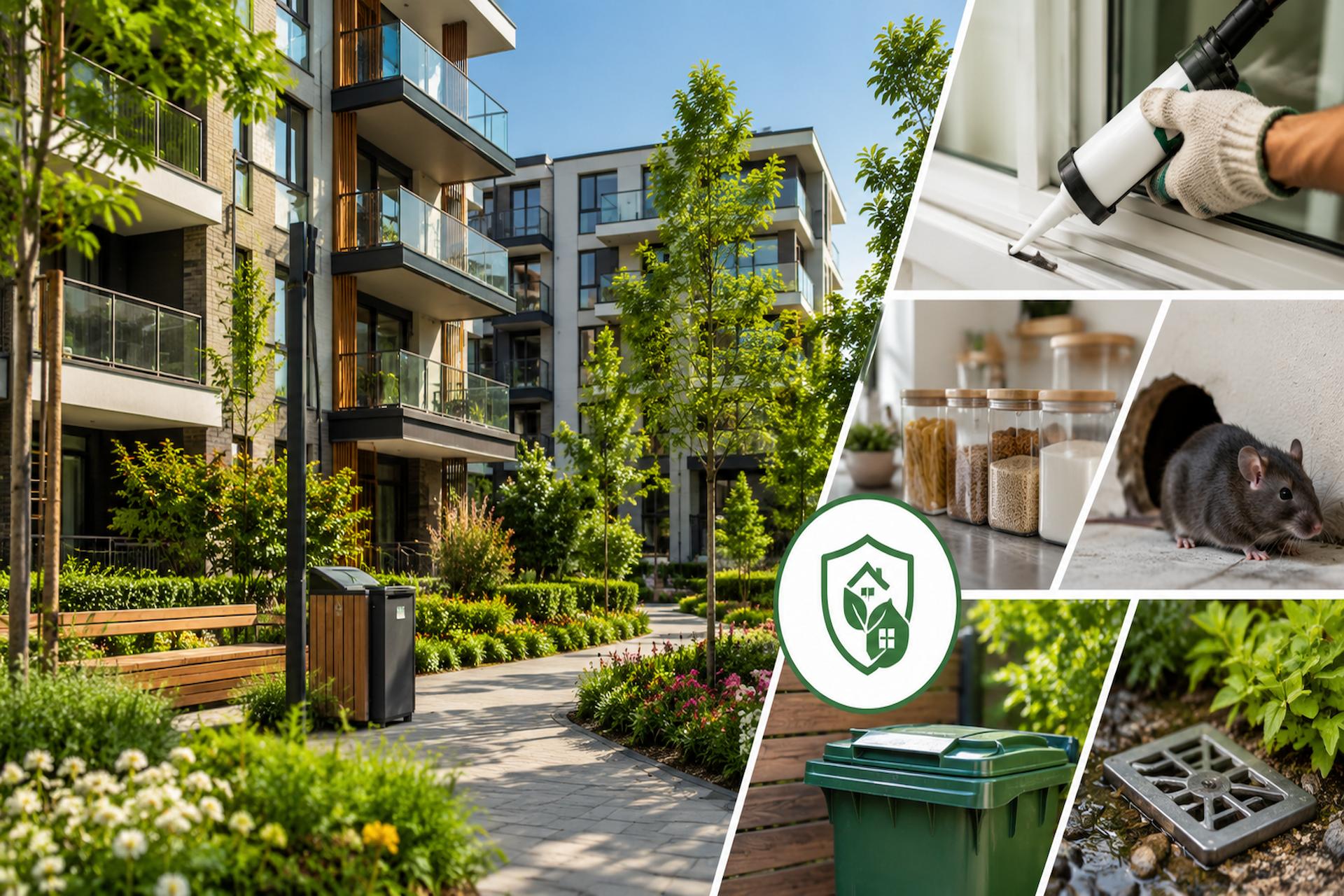
Use weather stripping, door sweeps, caulk, or mesh screens to seal these openings.
Blocking access is one of the simplest and most cost-effective forms of pest prevention.
Waste Management Plays a Major Role
Garbage is one of the strongest pest attractants in urban environments.
Proper waste management includes:
- Using sealed rubbish containers.
- Taking out trash regularly.
- Cleaning recycling bins.
- Composting responsibly.
- Keeping outdoor bins closed.
- Removing food residue from containers before recycling.
Community-wide sanitation efforts are equally important because pests often move between neighbouring properties.
Smart Home Technology for Pest Prevention
Modern smart home technology can play an important role in preventing pest problems before they become serious.
Connected devices help homeowners monitor indoor conditions that attract pests while improving energy efficiency and comfort.
Examples include:
Smart Leak Detectors
Early leak detection prevents moisture buildup that attracts termites, cockroaches, and mould.
Smart Humidity Sensors
Monitoring indoor humidity helps maintain conditions that are less favourable for moisture-loving pests.
Automated Outdoor Lighting
Properly positioned smart lighting can reduce unnecessary insect attraction while improving security.
Smart Ventilation Systems
Automated ventilation improves airflow, reduces condensation, and supports healthier indoor air quality.
Rather than replacing regular maintenance, smart home devices provide additional insight that helps homeowners respond quickly to developing issues.
Design Outdoor Spaces That Discourage Pests
Urban gardens and balconies can be beautiful without inviting unwanted visitors.
Consider these landscaping practices:
- Trim shrubs away from exterior walls.
- Avoid standing water in plant containers.
- Choose well-draining soil.
- Remove fallen leaves regularly.
- Store firewood away from buildings.
- Maintain healthy lawns.
- Keep vegetation from touching roofs and windows.
Good landscaping improves both curb appeal and pest resistance.